Growing Minds Conference 2026
July 27-28, 2026 | St. Paul College | St. Paul, MN
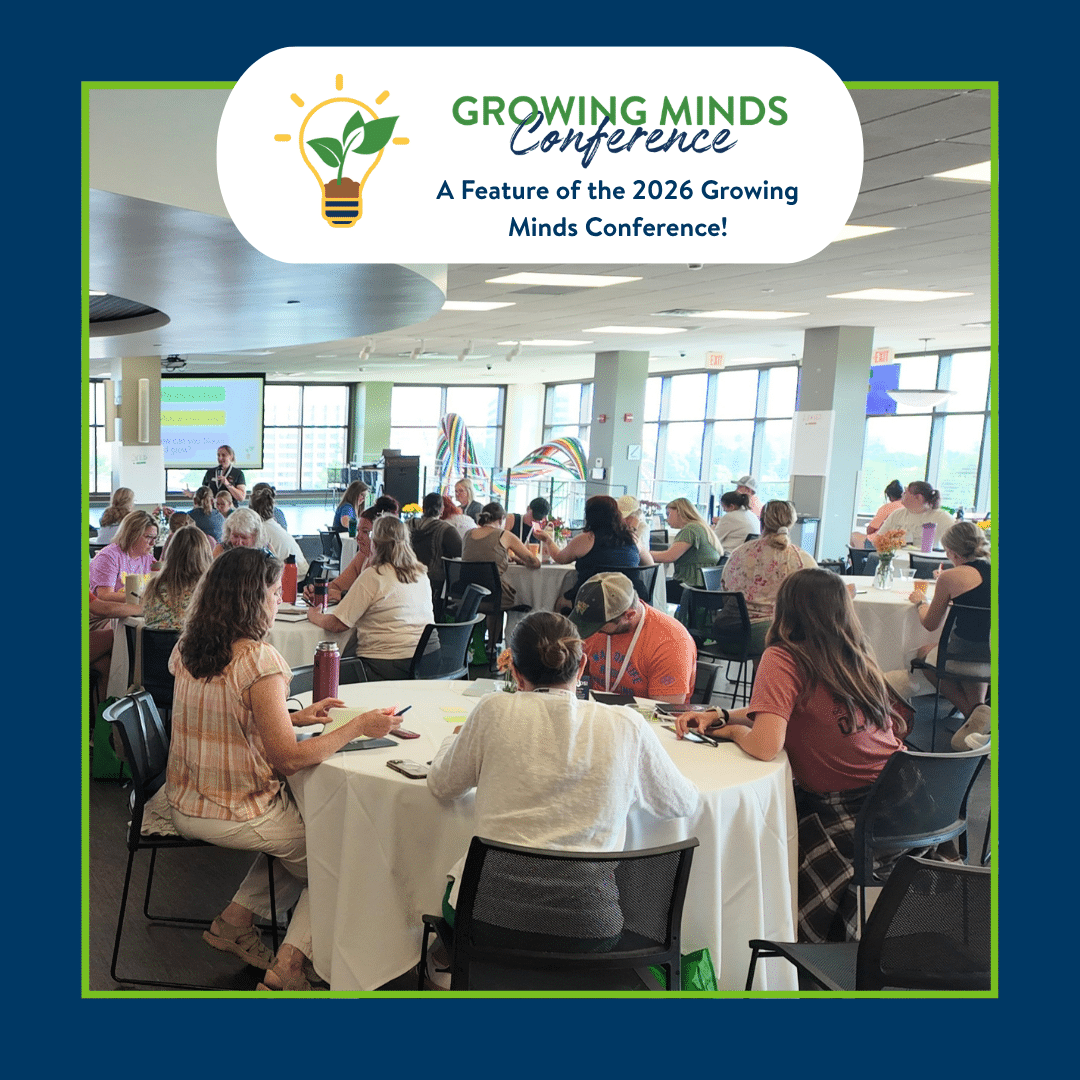
The Minnesota and Wisconsin Agriculture in the Classroom Programs hosted the first-ever Growing Minds Conference this summer! K-12 educators from across both states came together for this dynamic professional development experience to explore innovative ways they can bring agriculture into the classroom.
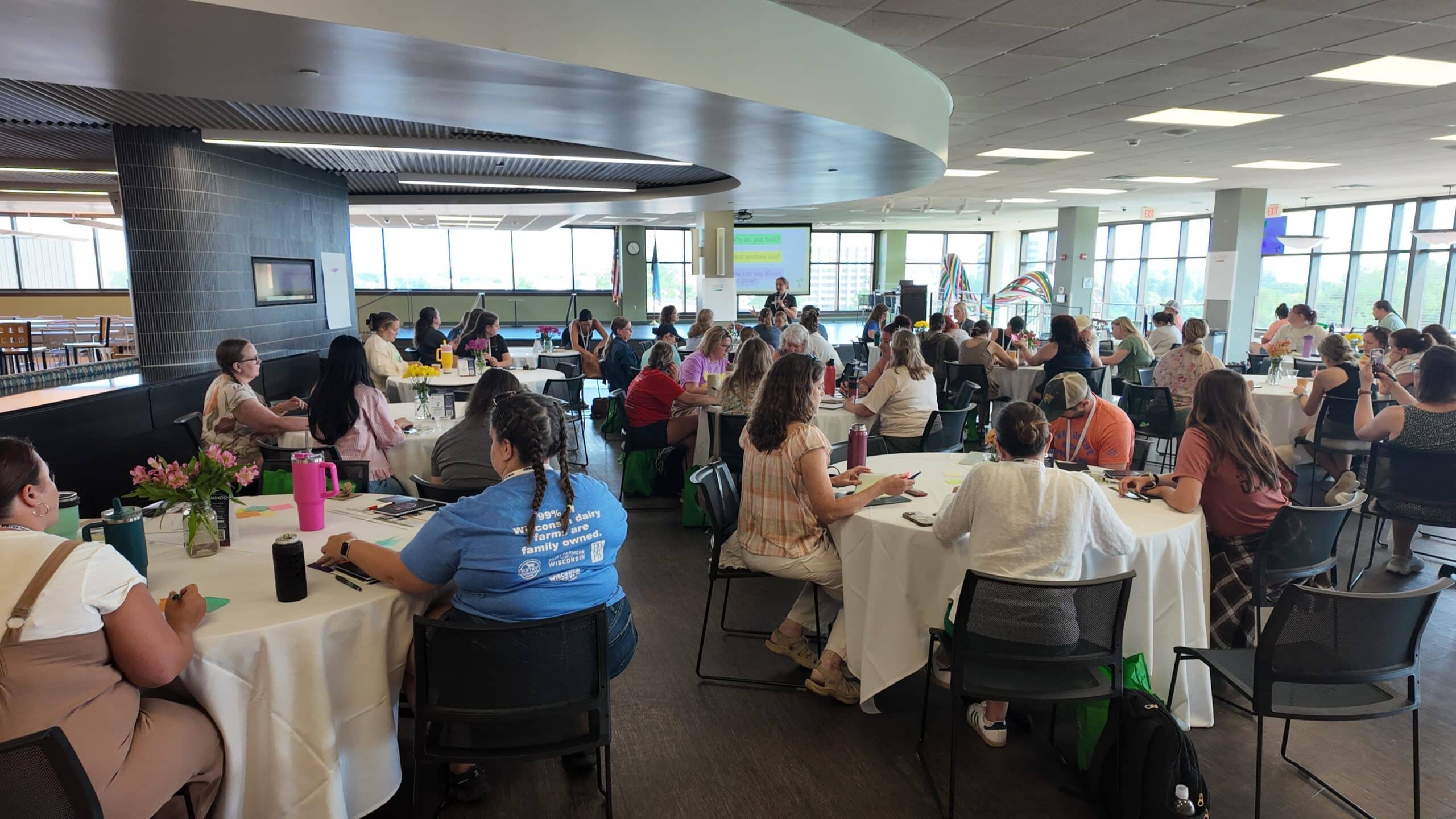
This two-day event featured immersive agricultural tours, interactive breakout sessions and fast-paced mini sessions, and large group activities. Educators learned from real-world experiences and gained practical strategies they can bring to their classrooms in order to connect students with agriculture! This opportunity brought many like-minded individuals together to foster relationships through an interest in agriculture.
Continue reading to learn more about this amazing event, learn from agricultural educators, and access resources you can bring into your classroom.
Large Group Opening Session
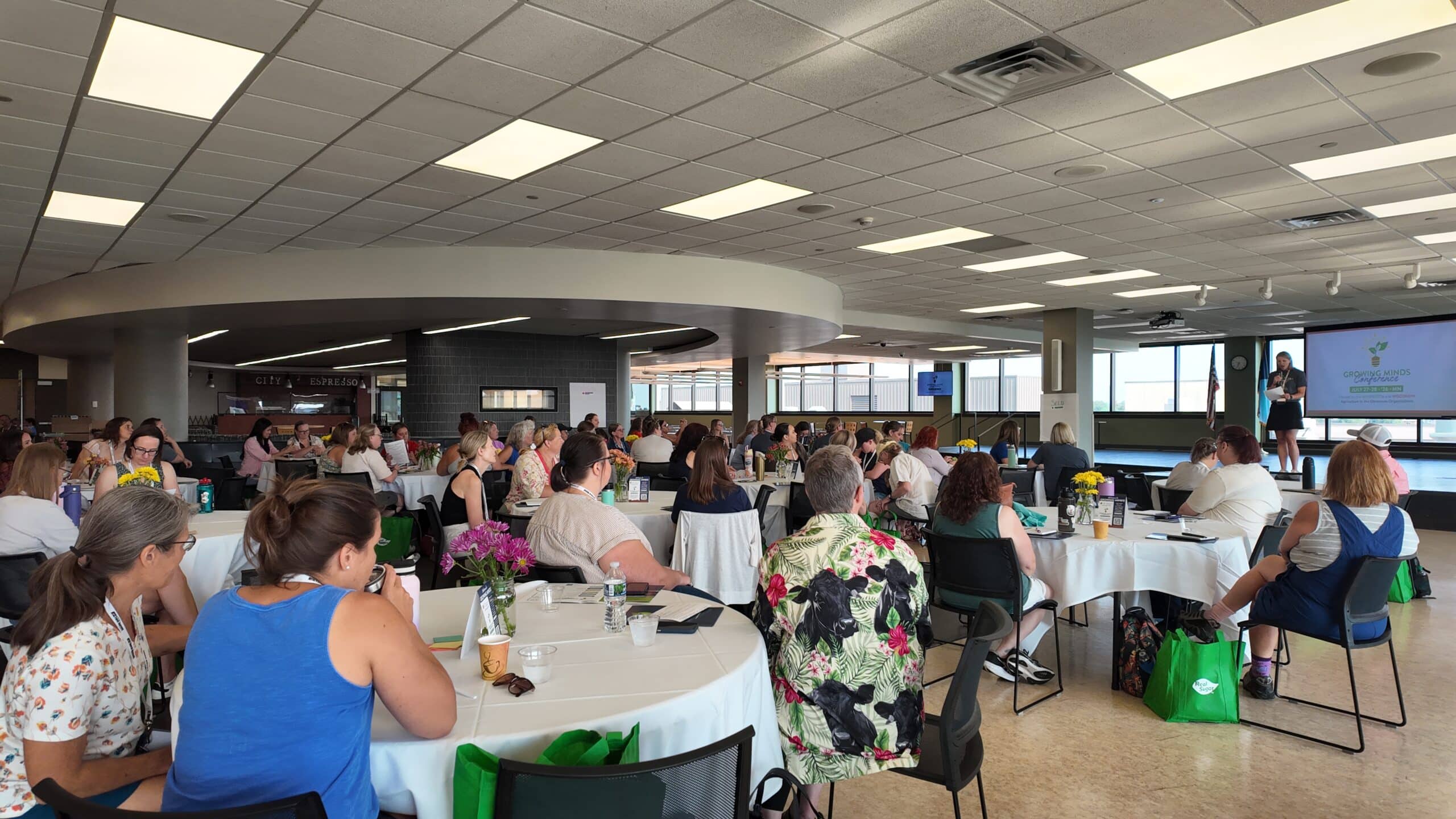
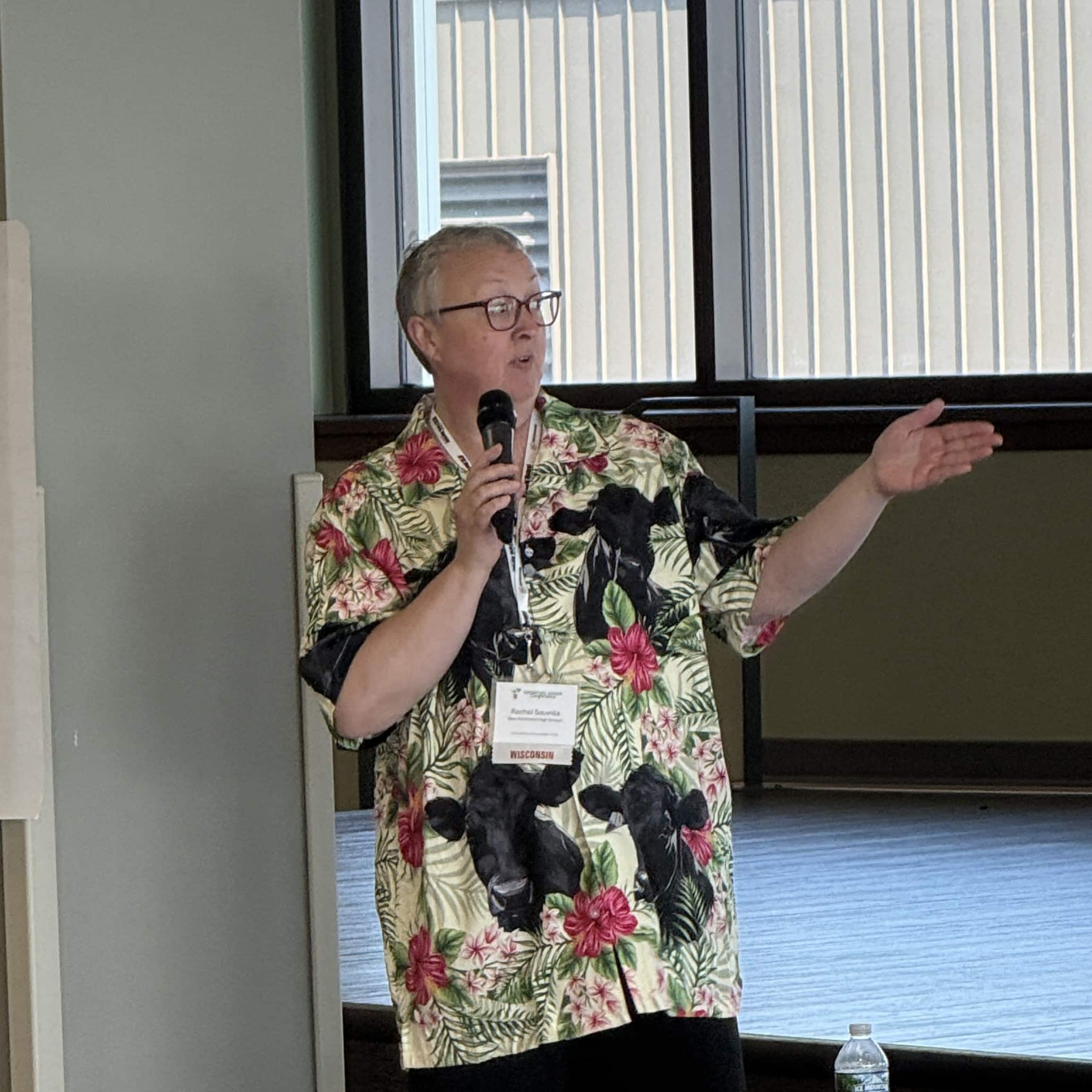
The Growing Minds Conference kicked off strong at St. Paul College in St. Paul, MN. The group heard from keynote speaker Rachel Sauvola and a panel of educators championing agriculture in the classroom.
Keynote Speaker - Rachel Sauvola
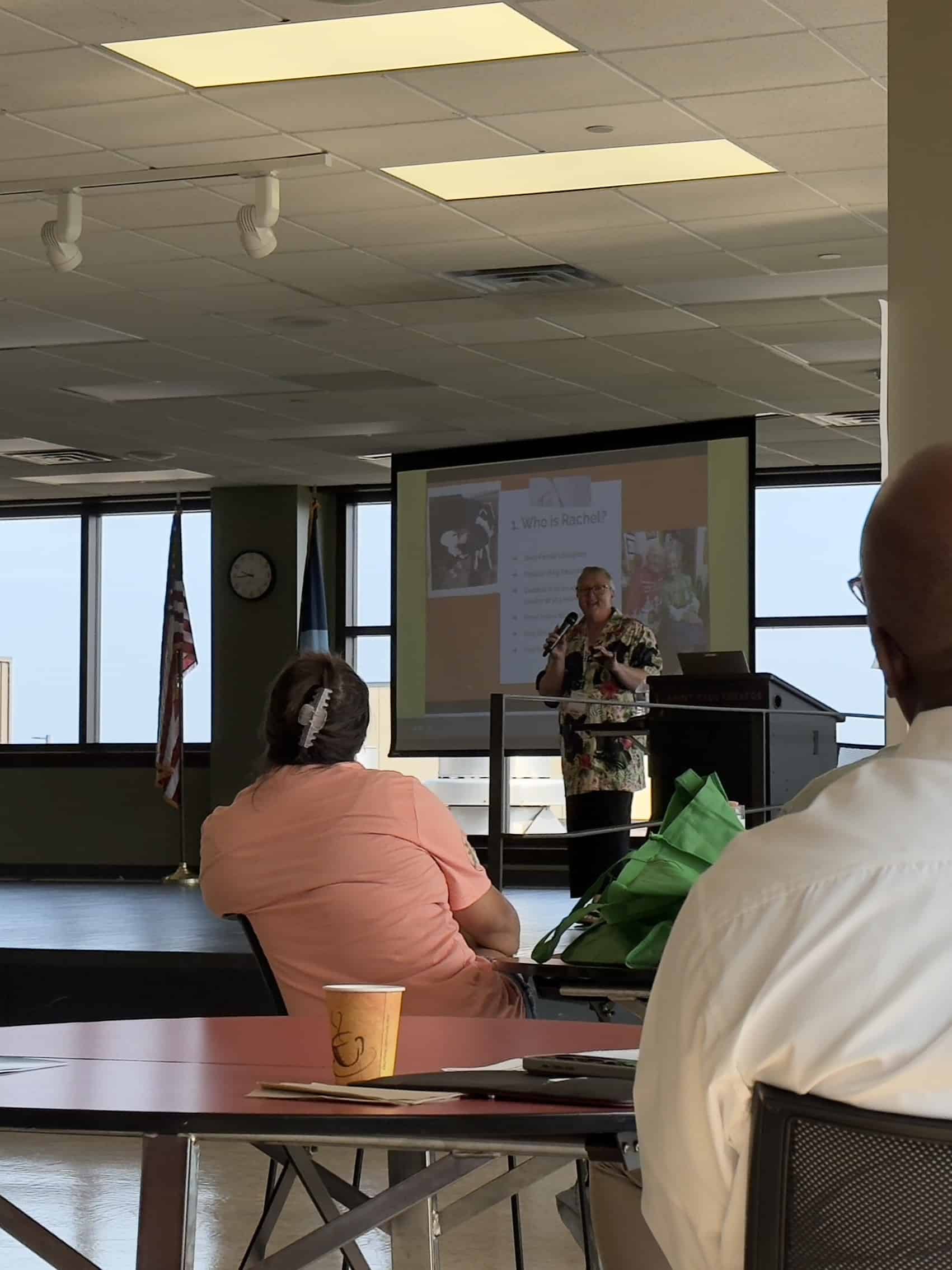
Rachel Sauvola – an agriscience instructor, FFA advisor, and founder of the SOAR Center – joined us at the Growing Minds Conference to share her love for agricultural education! Raised on a dairy farm, Rachel decided to be an agriculture teacher at 12 years old and has grown into a passionate and dedicated educator. She was hired in New Richmond, WI in 1999 as the first female agricultural instructor and in 2025, Rachel was named Wisconsin’s Teacher of the Year!
Power of Curiosity and Wonder
To promote agricultural education, Rachel puts student opportunities at the forefront. Giving students the chance to learn hands-on, to try new things, and provide a space to ask questions fosters their curiosity and wonder.
Rachel is also a lover of bright, bold patterned button-up shirts that are always on theme with her lessons. From animals, to foods, to holidays, her shirts get students excited and wondering about what fun topics they’ll be engaging with in class that day.
Power of Engagement
Involving students in agriculture isn’t something a person can do alone, collaborations and partnerships are vitally important. Lifelong learning and friendships are fostered through collaboration with other schools, teachers, and volunteers.
Rachel also recommends fostering community collaborations to bridge the gap between in-school education and real-world experiences. Facilitating field trips and guest speakers opens the conversation about agriculture to include more voices in schools. Grant funding and community mentorships for teachers and students also provide support.
Power in Telling Your Story
Tell Your Story
Who are you? What is your program? And what does your program have or do that is worth celebrating? Getting people involved in your work starts with you talking about it.
Know What You Want and Need
Rachel recommends creating a list of your wants and needs. When you need help, or people offer their assistance, you’ll have a list ready to go to pick and choose from. Put systems in place to make your life easier. Rachel uses a Volunteer Resource Inventory so she can find people who have specific skills/materials to offer.
Ask For Help!
Ask for help! The worst someone can say is no. And get creative with your funding streams. Don’t concentrate your financial asks in one area, branch out! Lots of people are willing to support you, all you need to do is ask.
Educator Panel
Sheila Kroseberg - Family and Consumer Science at Waupaca High School, Waupaca, WI
Jenna McCann - 2nd Grade at Merrimac Community School, Sauk Prairie, WI
Marie Kruse - Kindergarten at Bluffview Elementary, Lake City, MN
Brianna Havir - 5-8th Grade Science (STEM) at Heritage E-STEM Middle School, St. Paul, MN
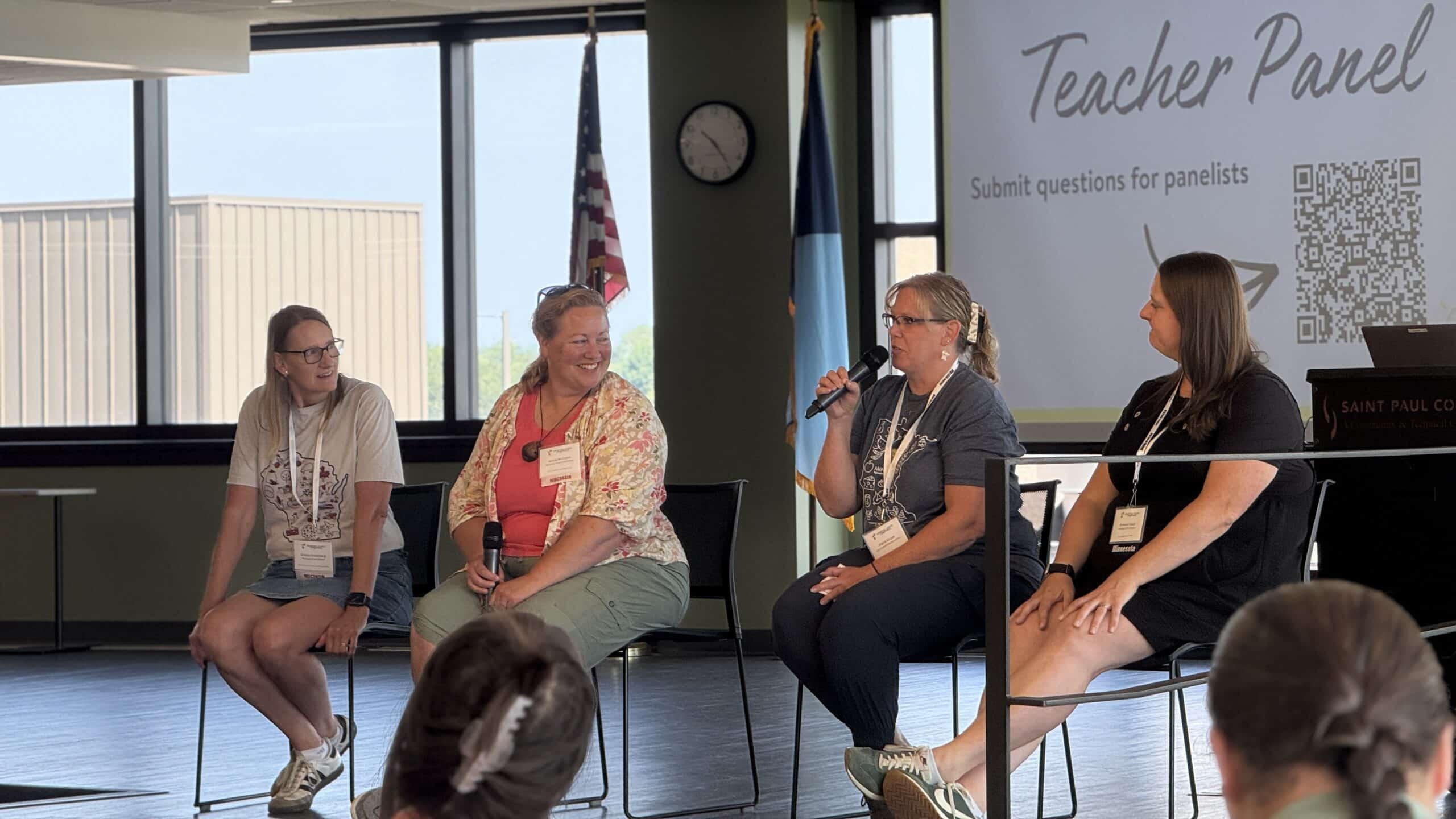
These four educators are champions of agricultural education in Minnesota and Wisconsin. Conference attendees submitted a few questions to the panelists to get perspective from educators who are already taking actions to bring agriculture into the classroom.
- Use the resources available to you to their fullest extent. Start with your science standards and filter for them in the Curriculum Matrix. There are so many agriculture-themed, standards-based lesson plans and companion resources available for free.
- Agriculture is so interdisciplinary. You can integrate any subject or topic into agriculture because it’s a part of everything.
- Lean in to agriculture projects. Students learn by doing the project.
- If the students are excited about something, teachers and administrators will get on board with it.
- Get the nay-sayers in on first-hand experiences. Don’t just tell them about something, let them experience it.
- Offer your classroom and time after school to talk. Open up conversation, learn what their hesitation or disinterest is, and talk about it.
- Start with easy-to-access programs that get students interested, such as Adopt a Dairy Calf.
- When asking for help, use the words “If you have time, talent, and treasure to donate…”
- Tell people the financial value of their volunteer time. Calculate what it would cost to pay someone to do the work and share with people how much money they are saving you by donating their time and effort.
- Many hands make light work. Getting more people involved leads to more projects getting done.
- Create a volunteer resource inventory for your reference. Document who you can reach out to and what you can ask from them. People are more likely to help if you ask for something specific that you know they can help with.
- Get community members involved through pictures. Don’t just tell people what you’re doing, show them!
- Make people feel recognized. Post pictures on social media, clip newspaper articles, and have students handwrite thank you cards. Bonus points if you bring the students along to present the thank you card to someone.
- Network at every school event to get your students’ families involved.
- Teachers need to know how to provide kids a reason behind what they’re learning. The reason gives students a purpose for their learning, which then helps them develop the real-life skills needed to solve problems.
- Focus on project-based learning. Students learn through the act of doing.
- Educators need to develop a network of who they can go to for support in different situations. Fostering relationships with team members, getting support from administrators and community members, and having mentors they can ask questions.
- Getting people into classrooms to observe a real-life class environment and provide time to ask questions.
- Teach about the Curriculum Matrix to help with unit planning.
- Nutrition Departments are what makes farm to table in the school district work. There needs to be a shared vision between you and them.
- They are the experts on rules and regulations. Some ideas that sound exciting may not be possible. For example, making food in class has to be separate from the hot lunch program due to red tape.
- Implementing a toy farm in the kindergarten classroom with lots of animals, barns, and more. Added a farm to table set up and kids realized that cows being milked led to ice cream.
- An 8th grade student realizing the food they are eating comes from the farm. Everything connects back to the farm, even the processed foods like pop tarts and takis.
- Spilled pickle brine all over my shoes while making pickles with first and second graders. Gained the nickname ‘Pickle Shoes’ which became a reference point. Every time they called me ‘Pickle Shoes,’ they remembered the growing and pickling process.
- Imbed project leadership into the grades themselves. Get students to lead the projects, and have teachers at each grade level adopt a specific project/program. Every year, students will expect a new agriculture project to work with.
- When the community is deeply involved/connected to the programs you’re running, they will help champion its continuance after you step down from leadership.
Cross Pollination Activity
To get educators thinking about what they wanted to get out of the conference, we led them through the Cross Pollination Activity. Everyone was prompted to think of different parts of a plant and how they work together to be successful. Click on each button to read about each part and see how educators answered.
Before a plant can grow and succeed, it must start as a seed. We asked educators: what is your seed, why are you here?
- Networking and connections
- Sharing ideas, gaining new ideas, and learning
- Bringing agriculture into the classroom
- Workshops and agriculture tours
- Inspired by other people
The seed sends its roots into the ground, building support before it sprouts from the soil. Think about your roots: what anchors you?
- Family and friends
- Colleagues, team members, and administrators
- Community members
- Student experiences
- Background in agriculture
- Love of agriculture, food, water, land, earth, and people
- Teaching and learning experiences
As the first leaves sprout from the ground, they feed the plant. Ask yourself: what feeds you?
- Peers and colleagues
- Family and friends
- Community support
- Student experiences
- Professional development opportunities
- Other people’s work
- Connections with other people
- Making an impact
- Devotion to self
- Learning and goal setting
The plant continues to grow up from the ground, supported by its stem. Who supports you, and what support do you need?
Who supports you?
- Family, coworkers, team, admin
- Community
- Stakeholders
- Parents and students
- Volunteers
- Financial assistance from grants and scholarships
- Connections to other people and groups
- Trust in self
What support do you need?
- Monetary
- Buy-in and support from others
- Ideas and resources
- Personal confidence and inspiration
- Connections
As the plant matures, it sends out a bloom for everyone to enjoy. Ask yourself, how can I grow and bloom?
- Networking and connecting
- Learning and implementing new ideas
- Ask for help
- Collect resources
- Invest in yourself and make goals
- Expanding knowledge
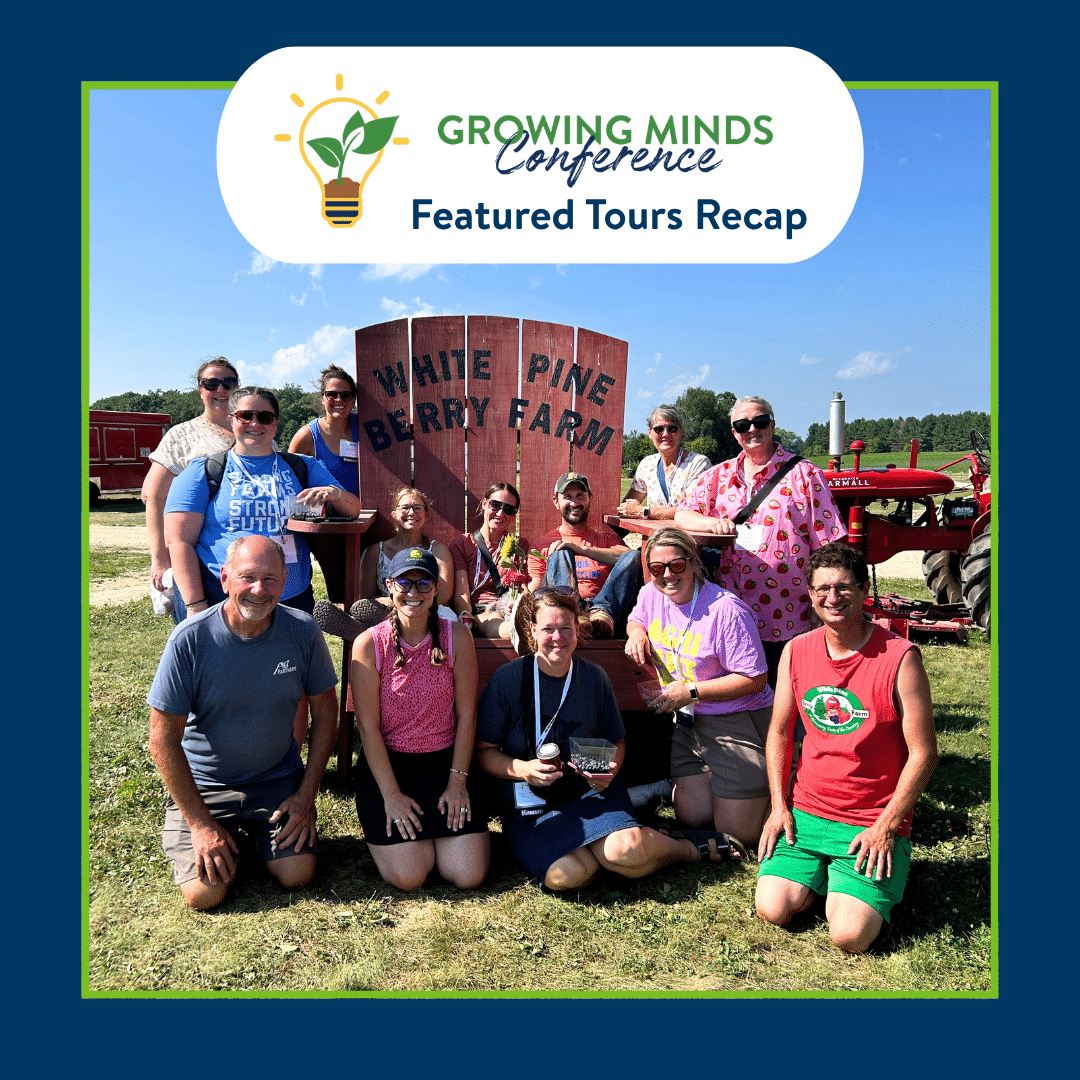
Featured Agriculture Tours
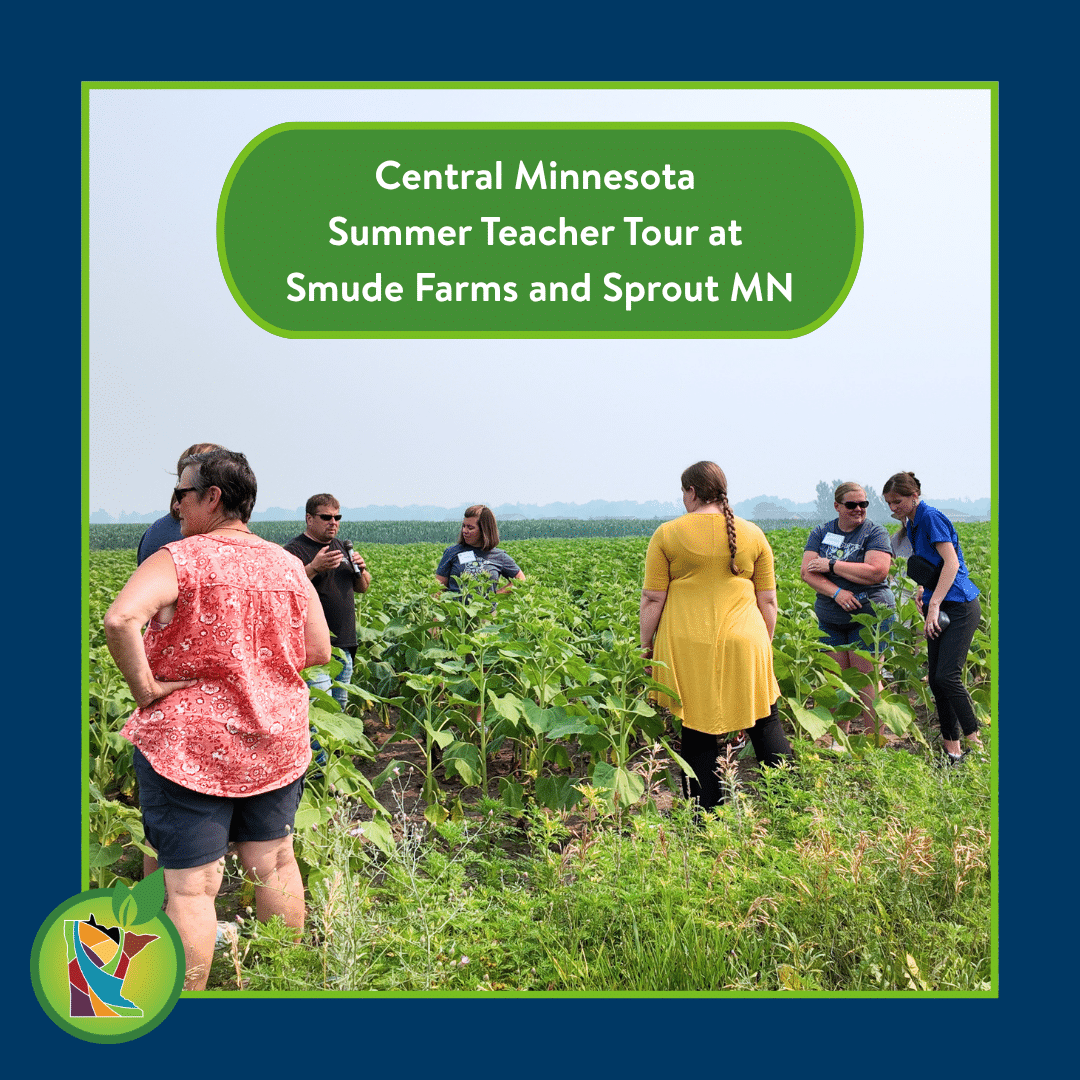
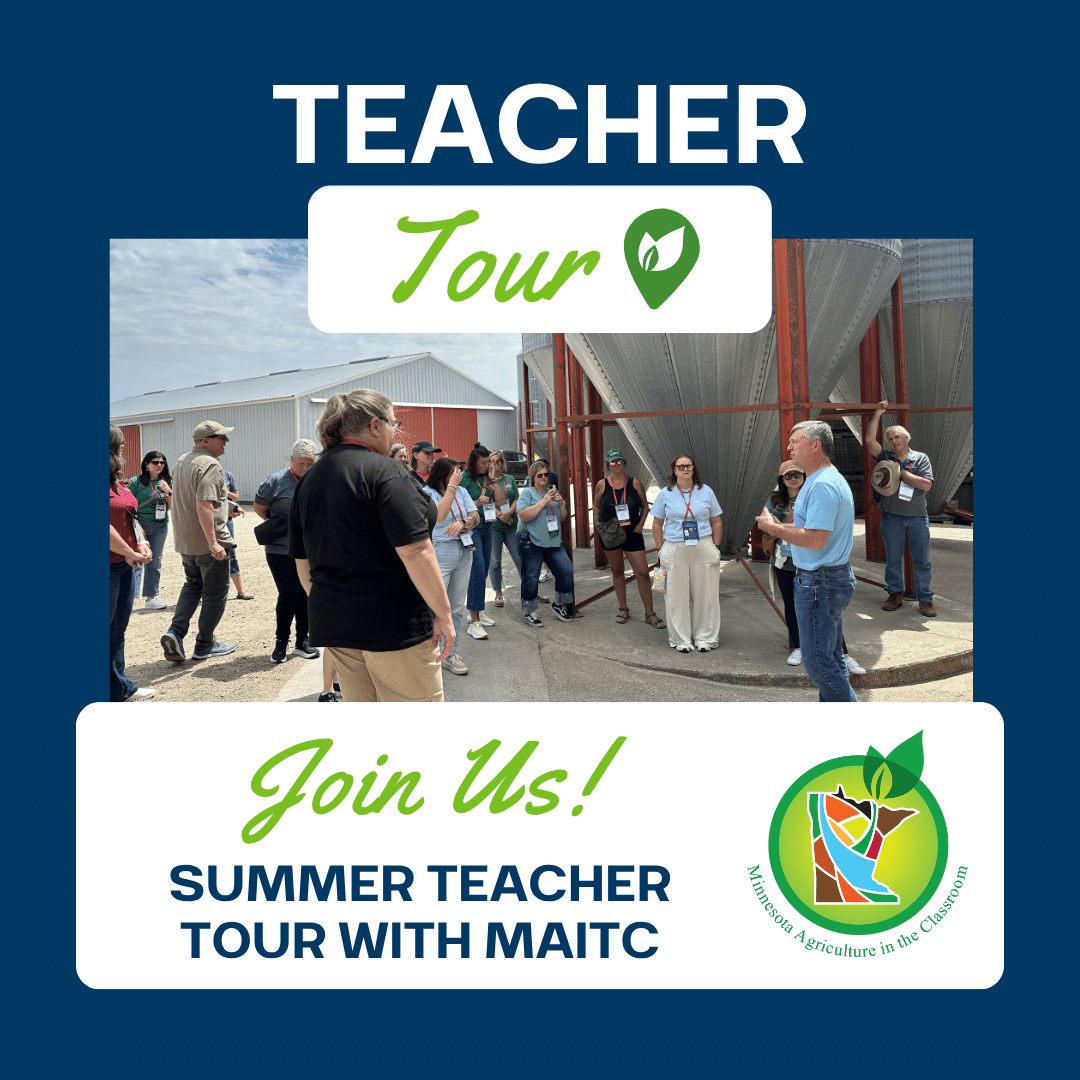
Conference attendees were provided an opportunity to choose from five immersive agricultural site tours, giving them a behind-the-scenes look at working farms and an opportunity to connect with industry professionals. Each of the tours focused on a different type of agriculture, including cattle farming, community-focused agriculture, cultural connections, and more!
Breakout Sessions
Day two of the Growing Minds Conference was filled with interactive breakout sessions where educators could collaborate with experts and other educators to find new, innovative ways to bring agriculture into the classroom. Attendees got to choose three sessions to attend, along with two fast-paced mini-sessions in the afternoon.
Katie Johnson and Kirstin Koch
Grade Level: PK-2, 3-5
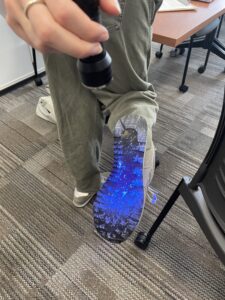
Participants explored the Critters, Germs and You toolkit—an engaging, hands-on resource designed to teach elementary youth about zoonotic disease awareness and prevention. This interactive session showcased practical strategies to build health literacy, encourage age-appropriate biosecurity practices, and support positive youth development.
Attendees learned how to integrate these lessons into county programming, classrooms, clubs, and camps. They discovered how to bring this fun, science-based toolkit to life in their community and empower youth to make informed, healthy choices when interacting with animals!
Activities included:
- The Soap Shield
- Pass the Germs!
- The Clean Hands Challenge
- Mucus Among Us
- Tracking Germs
- Germ - O
- Pathogen Pairs
- Operation Outbreak
Presenter recommended books:
- ABC’s of Zoonotic Diseases
- Felicity Floo Visits the Zoo
- A Germ’s Journey
- Germs: Fact and Fiction, Friends and Foes
- The Junior Disease Detectives: Operation Outbreak
Katie Johnson began her career with the University of Minnesota Extension – 4-H Youth Development program in 2012 as a Program Coordinator in Nicollet County. In 2018, she transitioned into a Regional Extension Educator role, serving 18 counties across southeastern Minnesota with a focus on animal science programming. Katie earned her undergraduate degree in elementary education from University of Wisconsin–River Falls and her master’s degree in education from University of Minnesota Duluth.
Kirstin Koch began her career with the University of Minnesota Extension – 4-H Youth Development program in 2004 as a Program Coordinator in Stevens County. In 2021, she stepped into a Regional Extension Educator role, where she now serves 20 counties across southwestern Minnesota with a focus on animal science programming. Kirstin earned her undergraduate degree in child and family studies and psychology from Concordia College and her master’s degree in education from University of Minnesota.
Patty Riley
Grade Level: 3-5, 6-8, 9-12
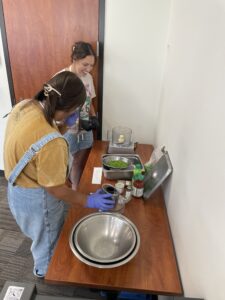
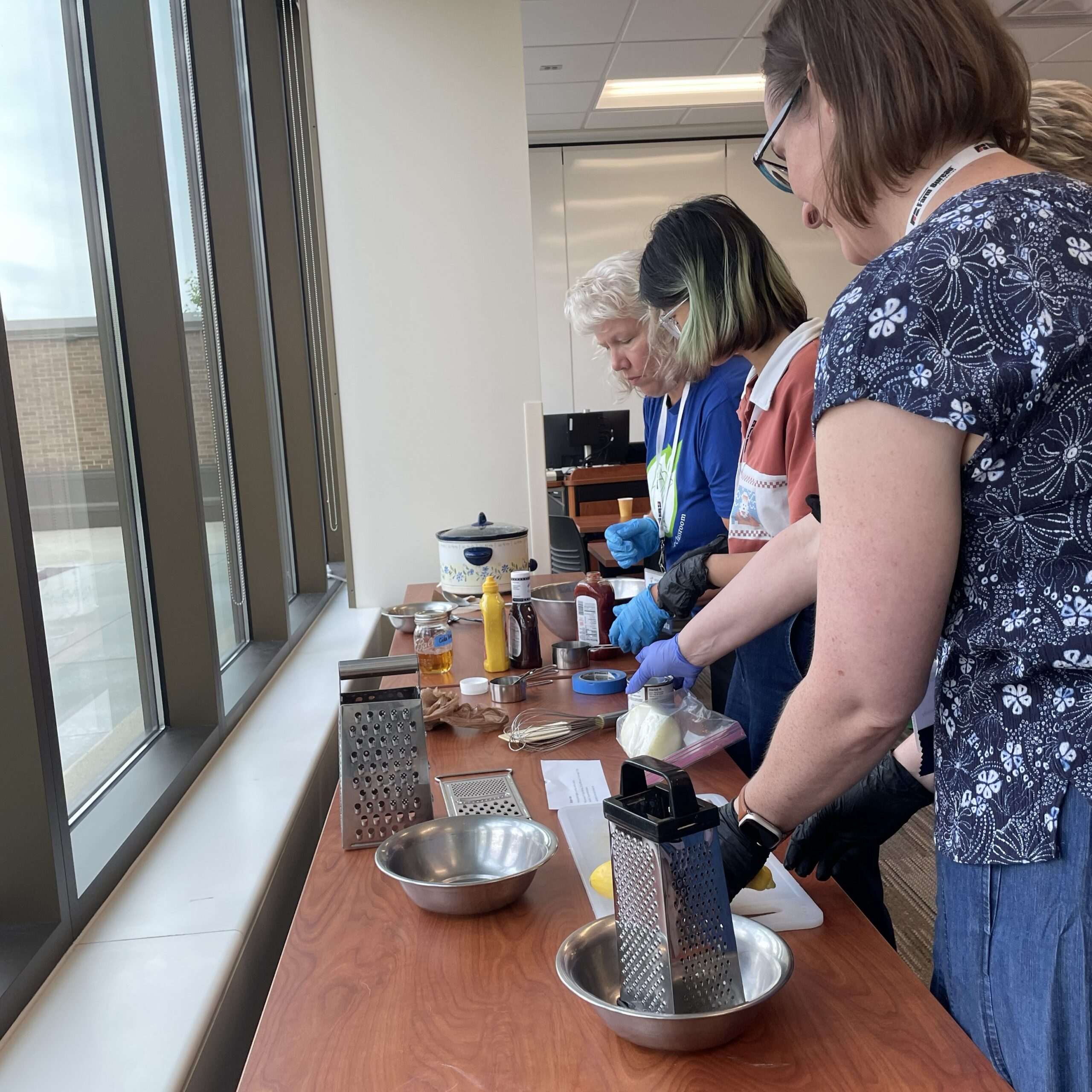
Participants explored how to add extra nutrition in the form of veggies, whole grains, fruit and protein to meals and snacks- the taste is so good; people won't even realize it! In this hands-on cooking session, they helped prepare several recipes and taste the results, as well as brainstorming what, where, and how to begin or add to a cooking program.
Patty Riley has been an Outdoor Educator for many years. Always enthused about cooking, she started to seriously dig into nutrition with the birth of her twins. Patty has been the Food Service Coordinator at Baker Outdoor Education Center for Three Rivers Parks for over 10 years, where she works to further the mission by providing home-cooked, nutritious meals created with local foods whenever possible. An avid gardener, Patty is always searching for new recipes to use up the copious quantities of vegetables and fruits they grow at home.
Mary Cooper and Donna Urbach
Grade Level: PreK-2, 3-5, 6-8, 9-12
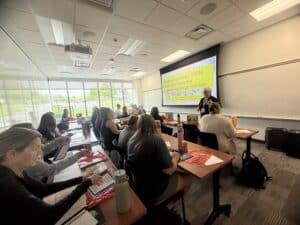
This session provided participants with hands-on opportunities to create engaging STEM Challenges using agriculture literacy books and the engineering design process. Participants received the framework for designing challenges that allow students to dig deeper into their thinking and creative mindsets.
Presenter recommended book and related activity:
- The Beeman, by Laurie Krebs and Valeria Cis
- Students complete a STEM Challenge where they create a bee house and plant pollinator plants for our garden pollinators.
Mary Cooper is a passionate educator with extensive experience in STEM Education. As a WAITC Educator Ambassador and Notre Dame Trustey STEM Fellow, she inspires students and colleagues alike. Holding NCAL Certification in Literacy, Mary looks forward to sharing her insights and experiences to support lifelong learning and growth.
Donna Urbach has enthusiastically taught STEM Education and brings Ag literacy content alive for her students. She brings over 40 years of experiences and wisdom to this presentation and she looks forward to sharing her stories of embracing STEM and how it has enriched her classroom and her students.
Jenna McCann
Grade Level: PreK-2, 3-5, 6-8
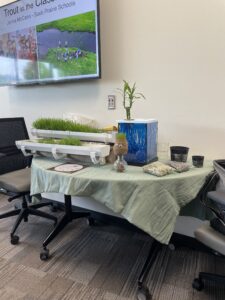
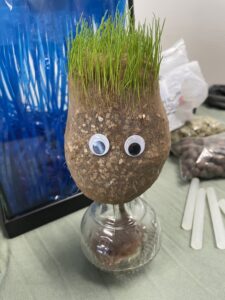
Participants joined for an overview of classroom and school-wide projects that bring real-life agriculture to their students (hydroponics, trout, gardens, chickens, sheep, and more!). Projects from Merrimac Community School and Sauk Prairie Schools were featured. Problem solving, interdisciplinary connections, and nutrition came together for hands-on fun and learning. The session concluded with a make-and-take hydroponic model!
Jenna Baetz McCann is a teacher, volunteer, farmer, musician, hiker, kayaker, author, gardener, scuba-diver, therapy-dog handler, and chess tournament official. She is also a mom to three amazing sons and lives in Prairie du Sac with her one-of-a-kind husband and giant dogs. Mrs. McCann holds degrees in early/middle childhood general education and general/choral/instrumental music. She has received numerous national, state, and local awards for her work in education.
Kathy Schumacher and Robert Klussendorf
Grade Level: 3-5, 6-8
Participants rotated through agriculturally related sessions, tying into science, technology, engineering, arts and mathematics. Topics included farm economics, beef, flower farming, robotic farms, genetics, potatoes, cranberries, equine health, veterinary career, barn quilts, soils, forestry, furs, nutrition, safety and more. They learned about diverse agricultural topics to increase agricultural knowledge and literacy.
Three generations of current Farm Bureau members help set the scene for Kathy’s involvement in AITC. She attended her first AITC conference in the 90’s in the Madison, Wisconsin area and has continued her involvement in the classroom and at the county fair through 4H. Since 2018, the COWS event has changed and grown, yet always kept the focus on agriculture literacy and awareness for students and staff. While her roots are still from the dairy and crop farm in southern Wisconsin, her educational career has expanded the agriculture lens to include cranberries, mink, forestry, economics, fuel and her current favorite, flower farms. Kathy is currently a special educator. She also teaches a gardening class during summer school to all elementary students.
Cindi Syverson
Grade Level: 6-8
1 in 10 Wisconsin jobs are in agriculture, food, and natural resources (AFNR). Are your students exploring these opportunities? From urban ag and food science to robotics and environmental conservation, these careers are diverse—and the sector needs a diverse workforce. Grounded in the An Ag Career for You curriculum pilot, this session equipped participants with free, standards-aligned lessons and practical strategies to engage students and expand awareness of high-demand, rewarding AFNR careers. Attendees left with free, standards-aligned lessons, career exploration activities, and scalable strategies that can be directly used in classrooms, guidance sessions, and career fairs.
Cynthia Syverson is a guidance counselor and leader of the Eau Claire AVID program. Cynthia is an active leader in local and state 4-H programming. I began my teaching career in January 1995 and have had the opportunity to teach special education, as well as 1st, 4th, and 5th grades. In 2013, I was ready for a new challenge and made the move to middle school. Since then, I have taught students in grades 6–8 and have grown to love the energy, variety, and ever-changing environment that middle school brings. In addition to teaching, I serve as a Forensics Coach and am a member of the Building Leadership Team. Outside the classroom, I enjoy spending time with my two daughters, Jadyn and Josie, and our dog, Boots. Whenever we have the opportunity, you'll find us hiking new trails or traveling together.
I grew up as an active 4-H member, participating in the beef and dog projects, and I continue to stay involved as both a county and state 4-H volunteer. I serve as the Adult Lead for the Wisconsin 4-H State Art Ambassadors Art Team and advise youth participating in statewide 4-H educational experiences, including Space Camp, Summer Academy, and American Spirit. I enjoy helping young people develop leadership skills, explore new opportunities, and build confidence. As a Juntos volunteer, I also enjoy working with Spanish-speaking families to build connections, strengthen engagement, and support student success.
Megan Hall
Grade Level: 9-12
Are you looking for ways to bring healthy, delicious foods into your classroom? In this session, three full high school standards-aligned food science lessons were shared along with many additional recipe and activity ideas. Lessons included modeling soil horizons with a variety of chia puddings, investigating sustainable farming techniques while making Somali sambusas, and studying Hmong history while enjoying fresh spring rolls. Additional recipe activities included exploring eating local with fruity oat bars and growing your own tea garden.
Presenter recommended book:
- Fresh Food Science: 101 Healthy, Easy, Delicious Recipes for Tween, Teen & Young Adult Chefs by Dr. Megan Olivia Hall PhD (Author), Liz Carlson Tomczak (Illustrator)
Dr. Megan Olivia Hall, Ph.D., NBCT is an agriculture teacher and instructional guide at Open World Learning Community in St. Paul Public Schools. She serves on the Minnesota Agriculture in the Classroom Teacher Advisory Board. Her latest book, Fresh Food Science, features recipes from her Food Science and Sustainable Food Production classes. Megan is the 2013-2014 Minnesota Teacher of the Year.
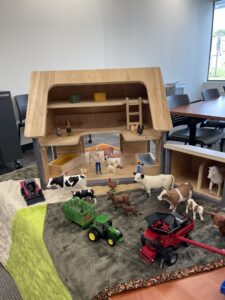
Marie Kruse
Grade Level: PreK-2
Come to the farm and discover the endless possibilities! Participants learned ways to secure funding for their very own interactive play farm while exploring hands-on materials including play mats, a barn, animals, machinery, and creative chef kits. They discovered how to integrate career exploration, STEM activities, and cross-age mentoring by utilizing older students as mentors for younger learners, all while immersing students in agriculture through purposeful PLAY.
Participants envisioned how play-based learning supports the development of problem-solving skills, language and motor development, creativity, and stronger pre-reading and reading comprehension. Through interactive experiences, students connect agriculture to their daily lives and learn about the origins of healthy food and quality clothing using a first–next–last sequencing approach.
This session also highlighted how to implement meaningful farm-to-table lessons that guide students through the full journey of food production. Educators left inspired to teach students about the hard work, dedication, and passion behind agriculture through a hands-on play farm experience.
Marie Kruse is a kindergarten teacher with over 20 years of experience in Lake City, Minnesota. Raised on her family farm in Fort Atkinson, Wisconsin, she brings a deep, authentic connection to agriculture into her classroom and community. Marie is a passionate advocate for agricultural literacy, an innovative leader within her school and beyond, and consistently exceeds expectations through her creativity, dedication, and student-centered approach.
Meghan Sunderland
Grade Level: 6-8
Looking to add agriculture to your English/Reading classroom but need to keep your curriculum tied to the standards? This session gave participants some solutions and options to enhance their classroom with agriculture. As an experienced Middle School teacher with a background in writing curriculum and agriculture, Meghan provided various solutions to applying elements of agriculture into the English/Reading classroom.
My name is Meghan Sunderland. I am a Middle School English/Language Arts teacher at MACCRAY Schools in Clara City, Minnesota. I have been teaching ELA for 15 years and have created a standards-based curriculum for grades 6-8. I have a background in Minnesota agriculture as my family and husband are farmers here in rural Minnesota. In the summer time, I help the farm and raise and care for laying hens.
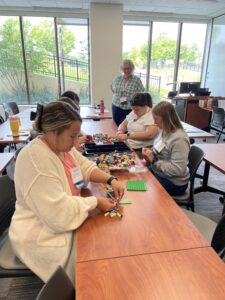
Courtney Spence and Judy Barka
Grade Level: PreK-2, 3-5
Agriculture is all around us. Today, it’s powered by technology. This interactive session helped K–6 educators bring STEM and agriculture, food, and natural resources (AFNR) concepts to life in age-appropriate and engaging ways. Using tools like the Edison programmable robot, participants explored how to introduce basic coding (with no prior coding or robotics experience needed), problem solving, and critical thinking through hands-on learning.
The session emphasized easy integration into core subjects like science, math, and literacy, while building curiosity and confidence in young learners. Participants left with ready-to-use ideas and practical strategies to make STEM learning fun, relevant, and meaningful. Helping students begin to see their place in the world of agriculture and beyond.
As the Outreach and Recruitment Coordinator for the Minnesota State Southern Agricultural Center of Excellence, I lead efforts to engage and inspire youth to pursue careers in agriculture. Through targeted outreach initiatives and strategic recruitment efforts, I aim to bridge the gap between academia and industry, empowering young talents to make a meaningful impact in the field. Passionate about empowering the next generation of agricultural leaders, I am dedicated to connecting young talents with opportunities that shape the future of agriculture. With a focus on outreach and recruitment, I am committed to fostering a diverse and inclusive community that drives innovation and sustainability in the industry. -Courtney Spence
As the Assistant Director of AgCentric, the Northern Agricultural Center of Excellence, I’m passionate about growing the future of agriculture. I dedicate my work to helping students find their path whether that’s in the classroom, on the farm, or in the industry. I focus on building strong partnerships, creating seamless educational pathways, and showing others just how connected we all are to agriculture. Through my leadership development, I continue to bridge education and industry, ensuring students and communities thrive in Agriculture, Food, and Natural Resources. -Judy Barka
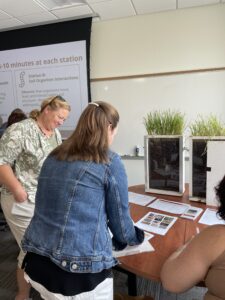
Bailey Tangen
Grade Level: 3-5, 6-8, 9-12
Soil is alive - but how do we help students see it? In this interactive session, educators explored custom “biology boxes” that make root systems and soil organisms observable in real time. Participants investigated cover crop root growth, soil structure development, and organism interactions through guided inquiry activities. This session emphasized ecosystem relationships, energy and matter cycling, and human impacts on soil systems, providing educators with classroom-ready strategies aligned to Minnesota science standards. And it's fun to watch the ecosystem develop and change over time!
Bailey Tangen is a UMN Extension educator focused on soil health and water resources. She works alongside farmers across Minnesota to improve soil function so their farms can stay productive, profitable, and better handle challenging weather. Her favorite place to talk with producers about soil health is inside a soil pit. As an Extension Educator, she designs and delivers research-based education through field days, workshops, conferences, soil assessment trainings, and participatory projects. Her focus is on continuous living cover systems, reduced disturbance, local food systems, and the dynamic soil properties that drive soil function.
Izzy Bajek
Grade Level: PreK-2, 3-5, 6-8, 9-12
Schools and early care centers all across Minnesota are cultivating thriving garden programs and finding unique ways to tackle common challenges. Participants explored a new series of school garden case studies showcasing successful garden programs from around the state. They learned about what makes these programs thrive and the creative ways they approach topics such as summer garden management, volunteer recruitment, hydroponics, and getting garden harvest onto lunch trays.
The participants of the case study were KidZone Early Learning Center, Mesabi East School District, Morris Area Schools, and Winona Area Public Schools.
Izzy was also joined by a panel of speakers:
- Amber McMullen – STEM Teacher at Jefferson Elementary School (New Ulm)
- Kim Vickery – Elementary Teacher at the Anishinaabe Academy (Minneapolis)
- Brownson Arebojie – Garden Educator through 4H, Karamu Communal Garden, and the UMN Landscape Arboretum (Twin Cities Metro)
- Tristine Strzynski – Special Education Teacher at South High School (Minneapolis)
Izzy Bajek is a Minnesota GreenCorps member at the Minnesota Department of Agriculture, where she works on a wide variety of outreach and resource development projects related to school gardens and Farm to School efforts. Izzy graduated from St. Olaf College in 2025 with an Environmental Studies degree and has since been finding ways to pursue her passion for connecting young people to the natural world and advocating for sustainable food systems. She’s found the perfect intersection of these passions in her school garden and farm to school work at the MDA, and loves having the opportunity to support these programs across the state.
Jodi Gruhn
Grade Level: PreK-2, 3-5
Participants discovered how to teach students the connection between food choices and environmental impact using a free, multicultural curriculum that explores legumes and beans from around the world. This hands-on session showcased ready-to-use lessons that take students on a virtual tour of global bean cuisines while building nutrition knowledge. Participants experienced a sample math/data activity that adds environmental literacy and STEM rigor to the existing curriculum, aligning with National Agricultural Literacy Outcomes. They left with free curriculum materials, classroom-tested recipes, and strategies for integrating agricultural and environmental education across subjects.
As the Director of Wholesome Minnesota, Jodi Gruhn sparks change in school cafeterias and classrooms across the state, partnering with legislators, nutrition leaders, parents, students, and teachers to bring plant-forward education to life. A Board Certified Health and Wellness Coach certified in plant-based nutrition, Jodi teaches plant-based cooking in high school culinary classes, supports student environmental clubs, and helps educators connect agricultural literacy with nutrition and sustainability education through practical, culturally responsive resources that help students understand where their food comes from and how their choices impact personal and planetary health.
Brandi Wulkan
Grade Level: 6-8, 9-12
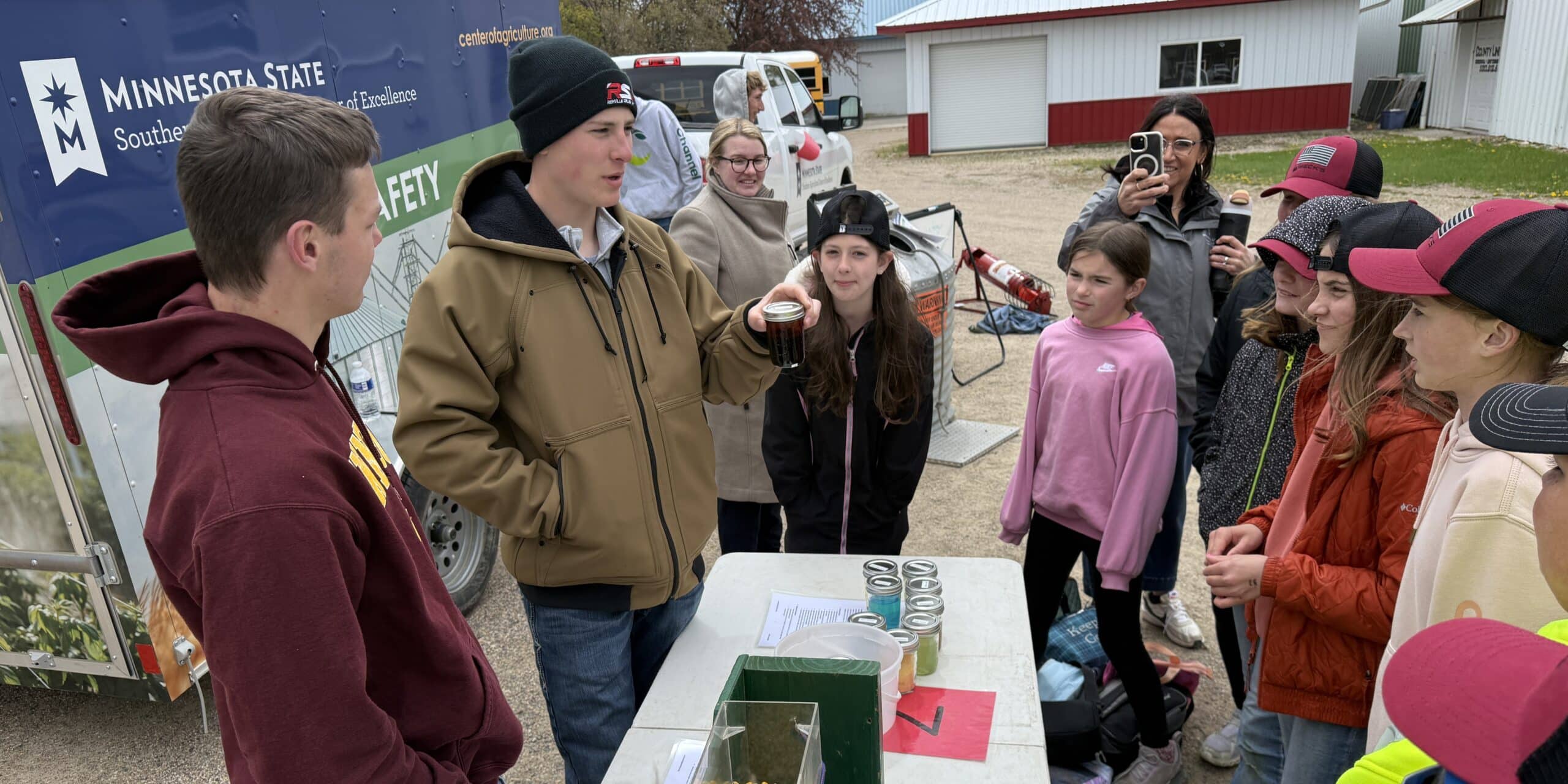
Participants discovered Minnesota Farm Camp: a program connecting classrooms and farms through hands-on agricultural learning experiences across the state. They learned how they can bring Farm Camp to their students to engage with farming, careers, and Minnesota agriculture in meaningful, real-world ways.
Brandi is the Farm Camp Program Director with Minnesota Agriculture in the Classroom Foundation. She connects educators to farmers and ag businesses all across the state of Minnesota to get kids onto farms and into businesses to learn about where their food comes from and the careers available in agriculture!
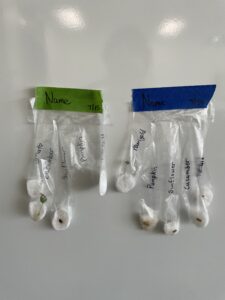
Jody Ruen
Grade Level: 3-5
Participants learned about various seeds that Jody has used and had success with when using this lesson adapted to her classroom over the past 22 years. They walked away with their very own Farm in a Glove to take home and watch sprout before transferring seeds outdoors. Participants learned about the different directions they can choose to take with this hands-on activity, as well as how to use this lesson with different ages.
Jody Ruen has been using and loving MAITC lessons in her classroom for over 22 years in the Lanesboro School District where she has taught in the high school and 5th grade. She loves attending MAITC Teacher Tours in the summer, Virtual Field Trips with her students, and after school teacher trainings. Jody is finishing up her third year on the MAITC Advisory Board this summer, which she has found to be very valuable!
Jenn Scott
Grade Level: 6-8, 9-12
In this hands-on session, teachers got a peek into the world of precision agriculture and its role in improving crop productivity and sustainability. The session included several activities that highlight the use of variable rate technologies and how they conserve resources and design and construct a model of an irrigation system to meet criteria to reinforce the need for precision to conserve water.
Jenn Scott is the Education Outreach Manager at Food + Farm Exploration Center in Plover, WI, an agricultural science center, where she brings her passion for agriculture to life for students in the community through engaging lessons, activities, and events.
Chase Pagel
Grade Level: PreK-2
Chase Pagel presented the Dairy Diaries series of books, Rosco's Sweet Treats, Big Farms, Little Farms, Good Night Heifer, and New in 2026 the Alpha-Dairy-Bet. Each of these books has interactive videos, games, printable free PDFs that teachers or organizations can use to help teach a class around the books.
Chase Pagel is a children’s book author, speaker, and passionate agricultural educator. She lives on her husband’s third-generation dairy farm in Wisconsin with their four children, where everyday moments inspire the stories she brings to life. Through her Dairy Diaries book series, Chase shares the beauty, challenges, and heart of farm life with young readers everywhere. In addition to writing, Chase travels to schools, libraries, and events across the country to speak about modern agriculture and the importance of connecting kids to where their food comes from. Her engaging presentations and hands-on activities make farm education fun, memorable, and meaningful. With every story and every visit, Chase empowers children and families to better understand—and celebrate—the hardworking families behind America’s farms.
Kerry Schulte
Grade Level: PreK-2, 3-5
Bring agriculture to life in your classroom through the power of books! In this session, elementary educators explored how to intentionally integrate agriculture-themed literature into everyday lessons using Ag in the Classroom resources as well as other resources. Participants discovered high-quality children’s books that connect agriculture to literacy, science, social studies, and math, while meeting academic standards. They left with practical ideas, ready-to-use resources, and strategies for engaging students with real-world agricultural concepts through reading, discussion, and hands-on learning.
Presenter recommended materials:
- Check out MAITC Curriculum Matrix
- Feasts and Festivals Around the World: From Lunar New Year to Christmas by Alice B. MCGinty
- Tales of the Dairy Godmother: Chuck’s Ice Cream Wish by Viola Butler
- How Did That Get in My Lunchbox? The Story of Food by Christine Butterworth
- What’s for Lunch? By Andrea Curtis
- Pumpkin Jack by Will Hubbell
- A Tree is a Community by David L. Harrison
- Chrysanthemum by Kevin Henkes
- From Grapes to Jelly (Who Made My Lunch?) by Bridget Heos
- Before We Eat from farm to table by Pat Brisson
- Tractor Mac Teamwork by Billy Steers
- Zipping, Zapping, Zooming Bats by Ann Earle
- Tops & Bottoms by Janet Stevens
- Bears by National Geographic Kids
- Achoo! Why Pollen Counts. By Shennen Bersani
- John Deere That’s Who by Tracy Nelson Maurer
- How to Make as Apple Pie and See the World by Marjorie Priceman
- The Great Big Water Cycle Adventure by Kay Barnham
- Potatoes for Pirate Pearl by Jennifer Concepcion and Choli Burgett
- The Good Garden by Katie Smith Milway
- One Well by Rochelle Strauss and Rosemary Woods
- One Hen by Katie Smith Milway
- Out of the Dust by Karen Hesse
- Hank the Cowdog by John R. Erikson
- Esperanza Rising by Pam Munoz Ryan
Kerry Schulte has spent the past 24 years teaching elementary students and currently teaches 1st and 2nd grade at the Academy for Sciences and Agriculture in Little Canada, Minnesota. She loves helping young learners grow as readers and is especially passionate about connecting classroom learning to agriculture and the world around them. Kerry also serves on the MAITC Educator Advisory Team.
Jennifer Hansen
Grade Level: 3-5
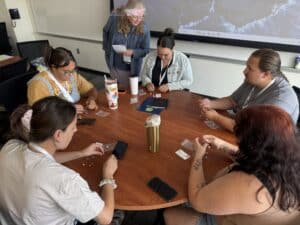
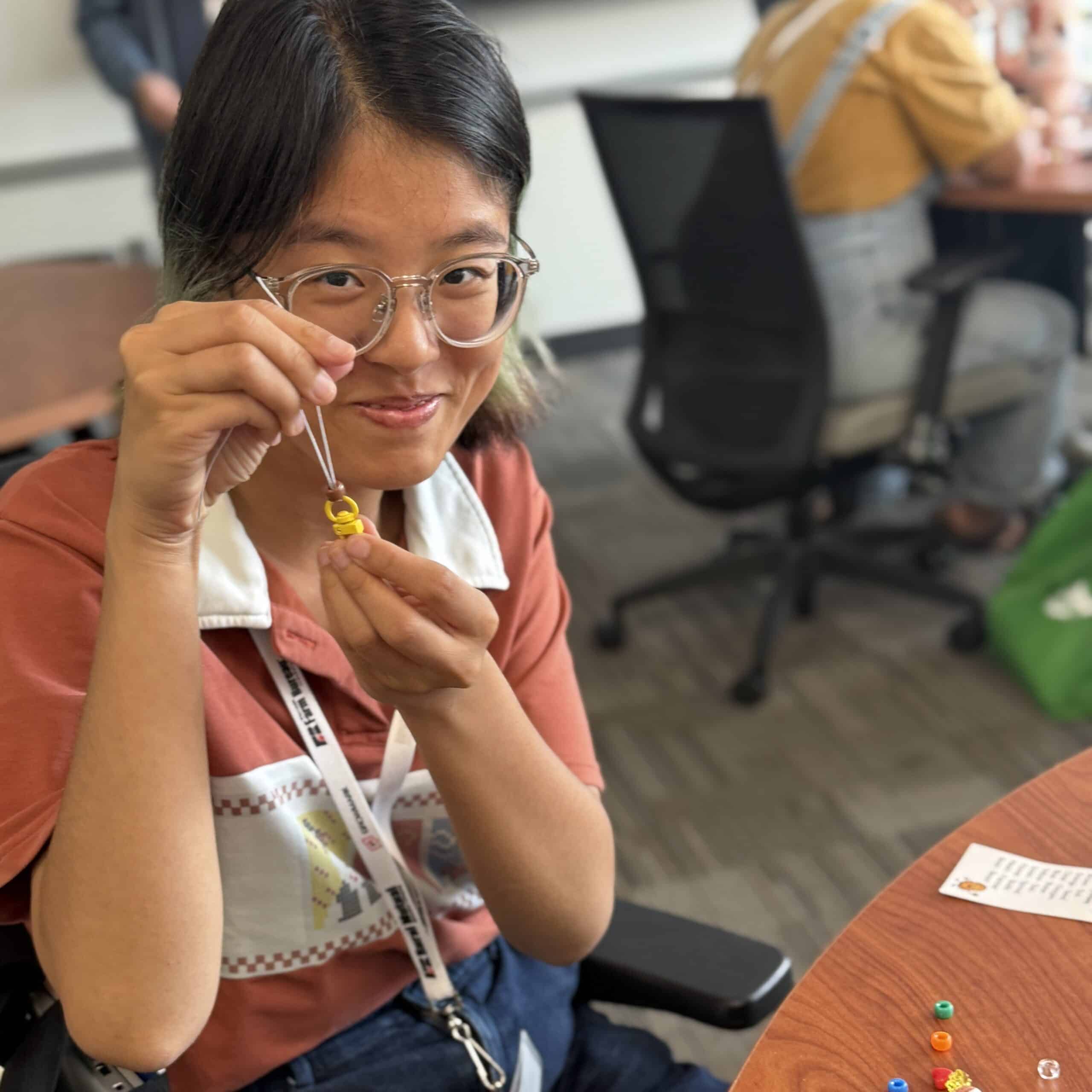
Participants learned about each step in the growing process as they used nine different beads to create a keychain. Attendees got a kit that contains all the components to make their own keychain; each bead represents a different piece of the growing cycle, soil, seed, oxygen, etc. Upon completion, they had a fun visual reminder of how plants grow. Attendees also received the Keychain Companion that explains the significance of each bead.
Jennifer Hansen is the staff lead for the Education & Sponsorship committee at Northarvest Bean Growers Association. NBGA represents the dry edible bean growers in North Dakota and Minnesota. In her role as staff lead, one of Jennifer's missions is to find ways to educate the public about dry beans. Although she doesn't have a background in education, Jennifer enjoys creating games that promote the amazing world of pulses.
Kate Seybold and Izzy Bajek
Grade Level: PreK-2, 3-5, 6-8, 9-12
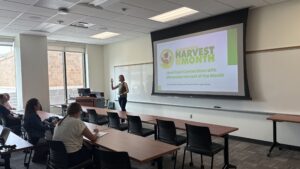
Dig into local food education with the Minnesota Harvest of the Month program! This interactive session introduced ready-to-use educational resources that help students explore seasonal, local foods in Minnesota and Wisconsin. Participants got a guided tour of lessons, activities, and classroom extensions, along with practical strategies for connecting what students are learning to what’s appearing on their lunch trays. They left with fresh ideas and easy-to-use tools to grow students’ knowledge of local food and harvest meaningful connections between your classroom and the cafeteria.
Kate Seybold works as the Farm to Institution Coordinator for the Minnesota Department of Agriculture (MDA), supporting institutional market development for Minnesota grown and raised foods. In this role, Kate coordinates statewide Farm to Kids strategy, programming, and technical support aimed at increasing local food procurement and education in schools and early care settings. Prior to her work at Minnesota Department of Agriculture, Kate spent five years leading Minneapolis Public Schools’ Farm to School program.
Grade Level: K-12
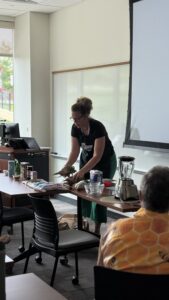
Discover the story of one of Minnesota's most important crops! Participants learned about how sugarbeets are grown, harvested, and transformed into the products we use every day while exploring engaging lessons and resources. They left with practical ideas and free materials to help students make meaningful connections between agriculture and their everyday lives.
Tiffany Kobbermann is a FCS & AG Teacher at Minnewaska High school in Glenwood, MN. She lives on a farm near Hancock MN with her husband and 7 children, where they grow corn, soybeans, alfalfa and raise cattle, sheep and horses. She enjoys gardening and watching her kids rodeo in her spare time.
Beth Schaefer
Grade Level: PreK-2, 3-5, 6-8, 9-12
Participants learned what's new with Wisconsin Agriculture in the Classroom!
Beth Schaefer is passionate about food, farming, and people. For the past 18 years she has worked in both formal and informal roles related to agriculture literacy and education. Beth joined the Wisconsin Farm Bureau Federation in March 2022 as the state coordinator of the Wisconsin Agriculture in the Classroom program. Her professional experiences cut across all forms of education - writing curriculum, developing academic presentations and lessons, creating and executing media campaigns and managing student and school wellness programs across Wisconsin. Beth and her husband, Matt, live near Brandon, WI with their four children.
Sue Knott
Grade Level: PreK-2, 3-5, 6-8, 9-12
Participants learned what's new with Minnesota Agriculture in the Classroom!
Sue Knott's agriculture roots were established on her family's farm in southwestern Minnesota. Experiences in 4-H, FFA and raising plants and animals, inspired her to earn an Agricultural Education degree and teach for ten years before joining the Minnesota Agriculture in the Classroom team as Education Specialist in 2011.
Sips, Snacks, and Soil
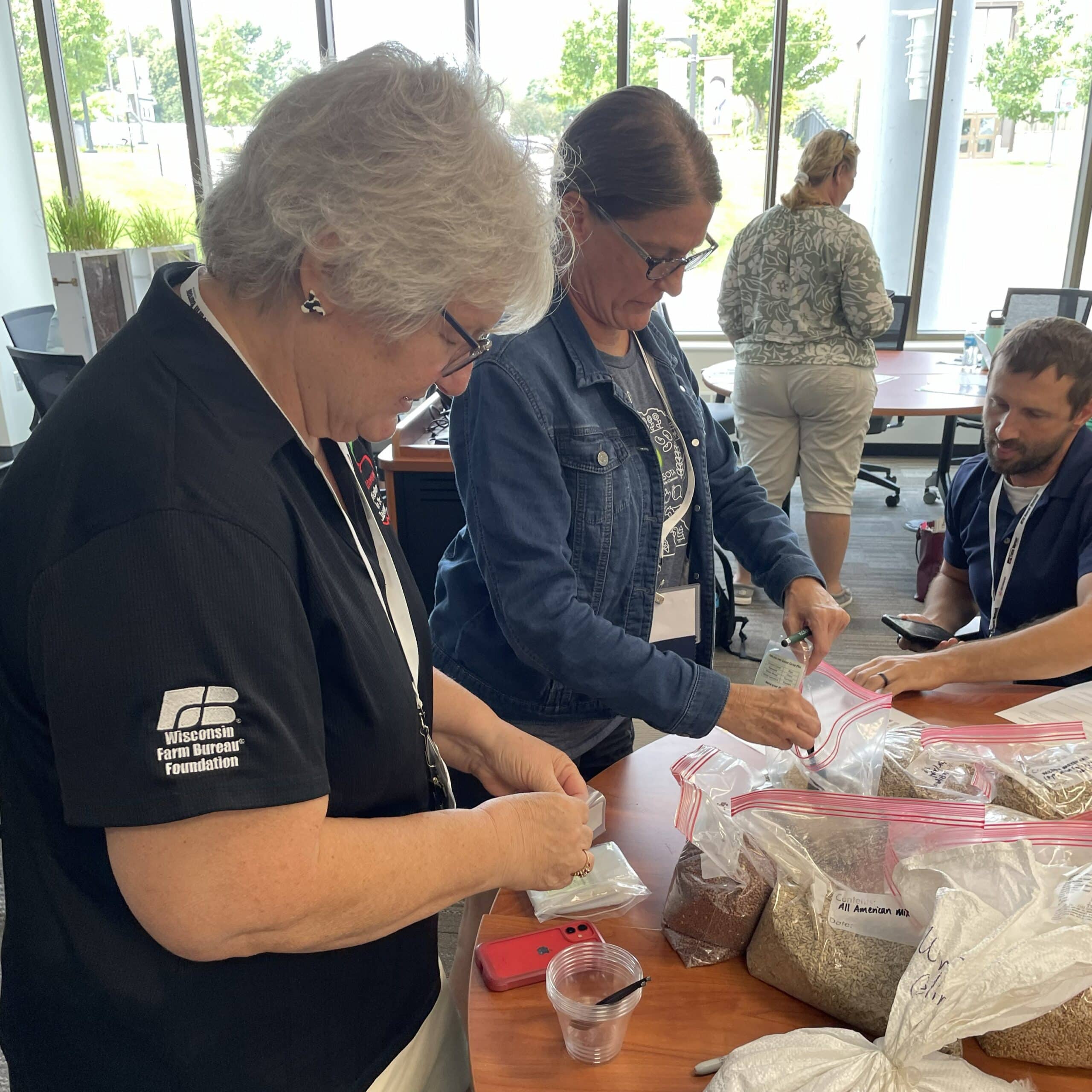
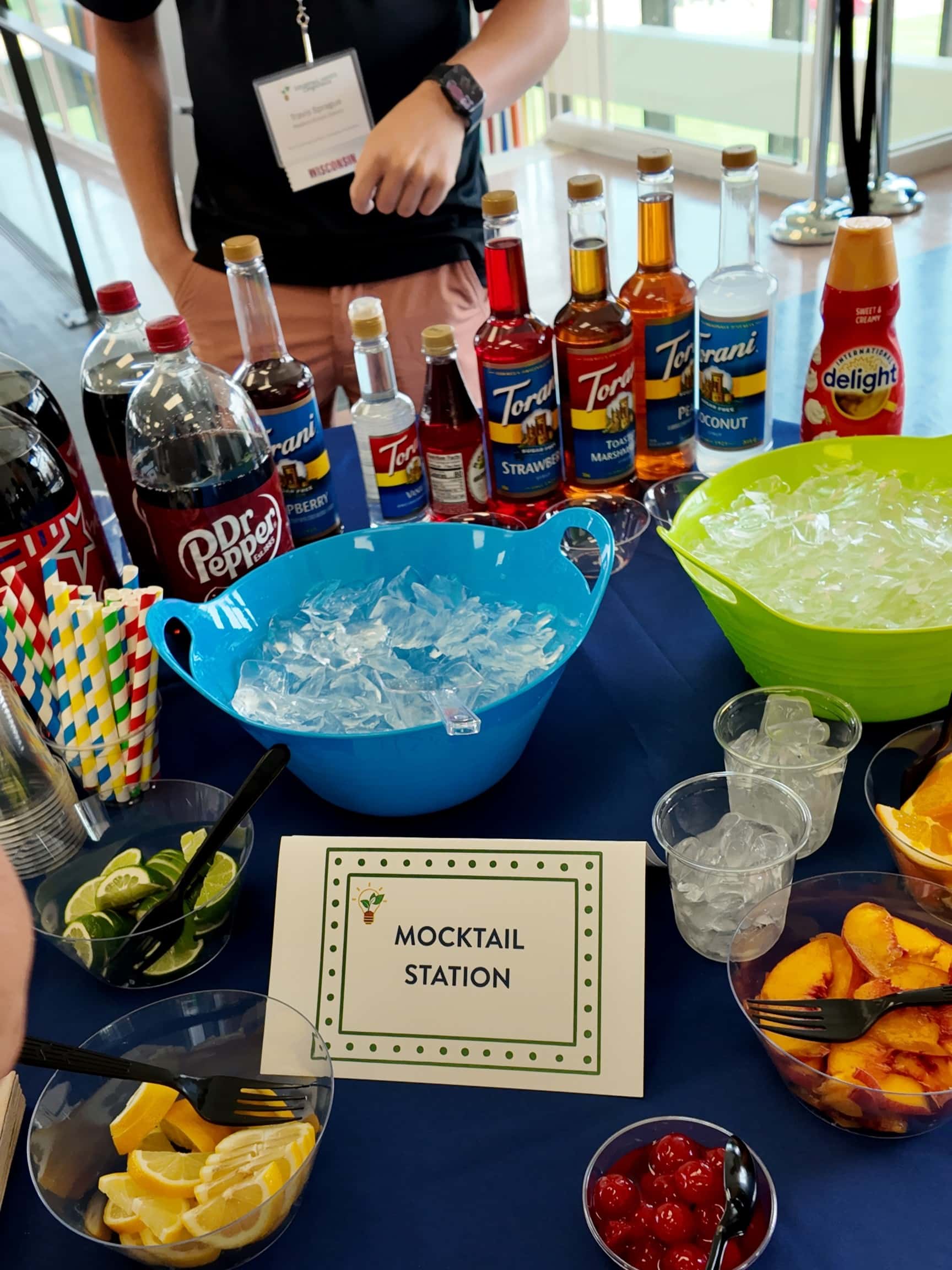
To wrap up the conference, the whole group came together to enjoy mocktail and build-your-own trail mix stations.
Travis Sprague shared how he has engaged students with agriculture through mocktails. An agriculture educator and member of the Wisconsin Educator Ambassador Team, Travis recognized that mocktails were growing in popularity with his students, leading him to develop a mocktail activity to use in the classroom. With a mix of soda, syrups, creams, and other add-ins, Travis got students wondering about where the ingredients came from and discussing agricultural processes.
Cornfield Cooler: Sprite + peach syrup + splash of club soda
Creamery Cooler: Root beer + coconut syrup
Fresh Pick Fizz: Sprite + strawberry syrup + lemonade
Red Barn Refresher: Lemonade + strawberry syrup + club soda
Hayride Splash: Sprite + raspberry syrup + coconut syrup
Farm Sunrise: Half lemonade, half Sprite + peach syrup (2 pumps) + splash of sweet cream
Farm Stand Favorite: Sprite + peach syrup (1 pump) + raspberry syrup (1 pump) + splash of sweet cream
Citrus Grove Cream: Orange soda + peach syrup (1 pump) + coconut syrup (1 pump) + splash of sweet cream
Sunset Grove: Orange soda + strawberry syrup (2 pumps) + splash of sweet cream
Champion's Choice: Dr Pepper + raspberry syrup + coconut syrup + sweet cream
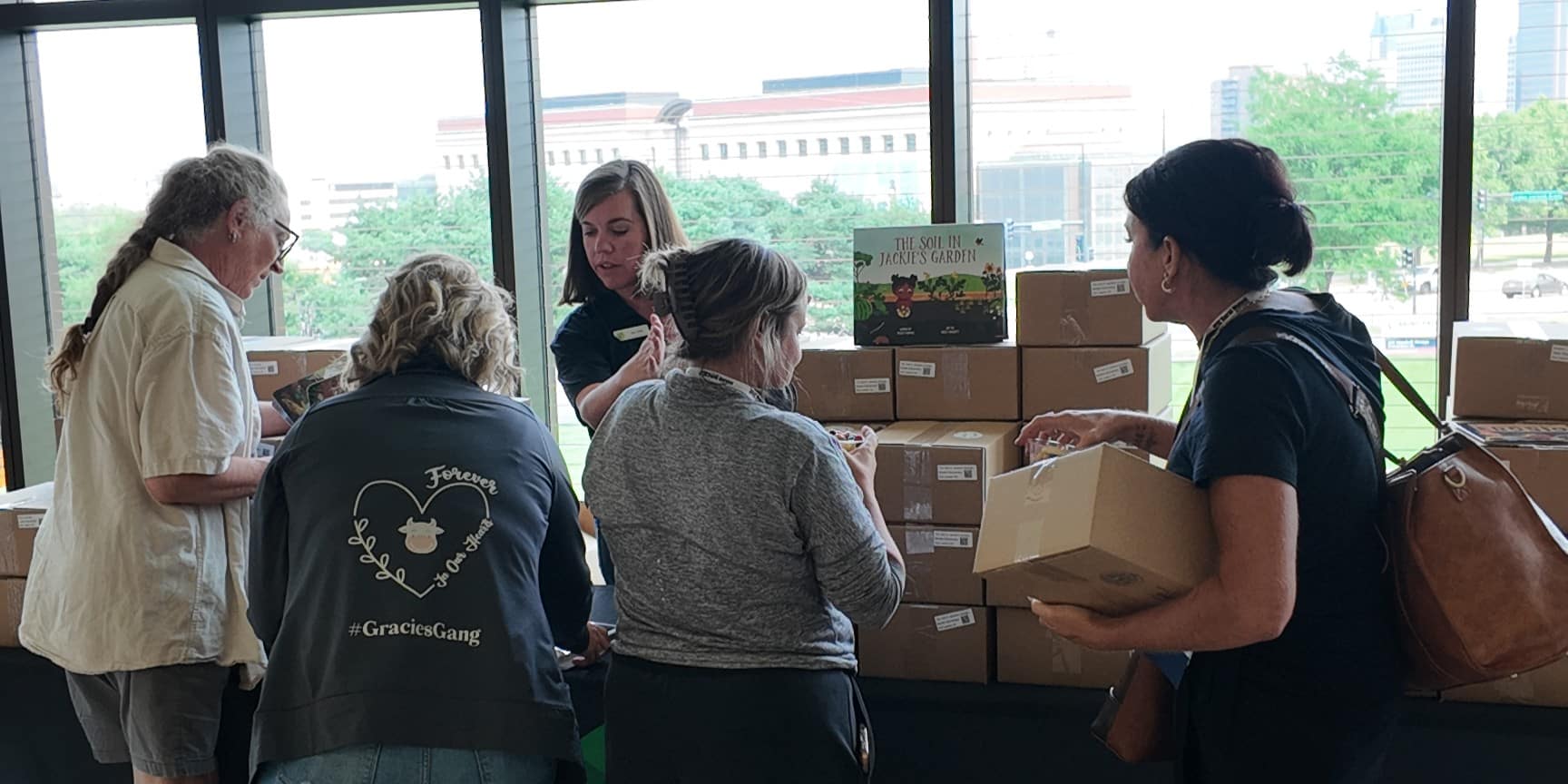
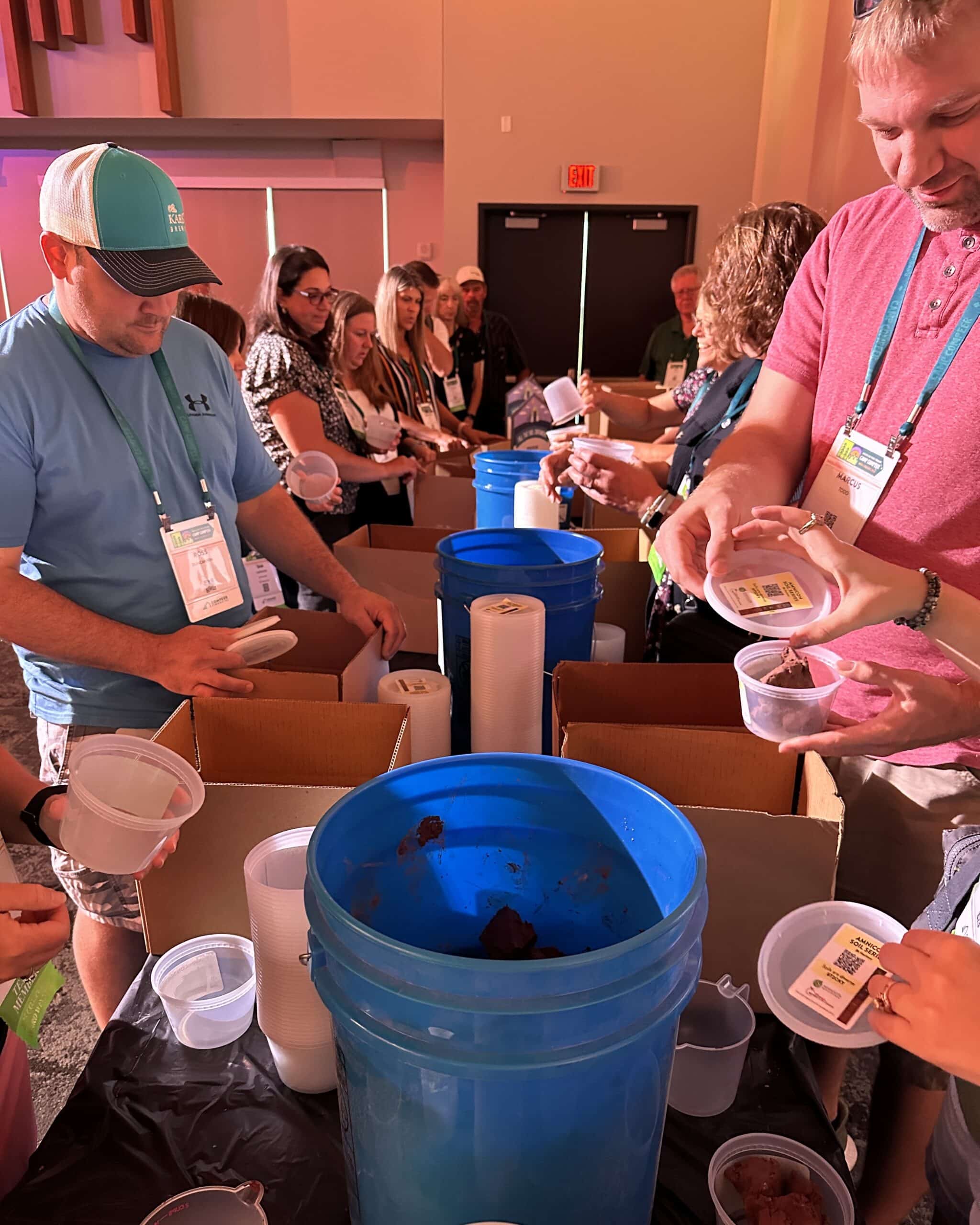
Attendees got to take home a soil kit to use in their classroom! The kits are designed to teach students about the importance of soil health through the fun “Soil your Undies Challenge.” Featured in our AgMag 6 Spring Edition, this activity prompts students to observe the decomposition of cotton underwear in soil over time.
Each kit included four soil samples from locations across Minnesota and Wisconsin that were collected by Joseph Brennan – a MN State Soil Scientist with NRCS – with the help of MAITC’s Sue Knott and Keri Sidle.
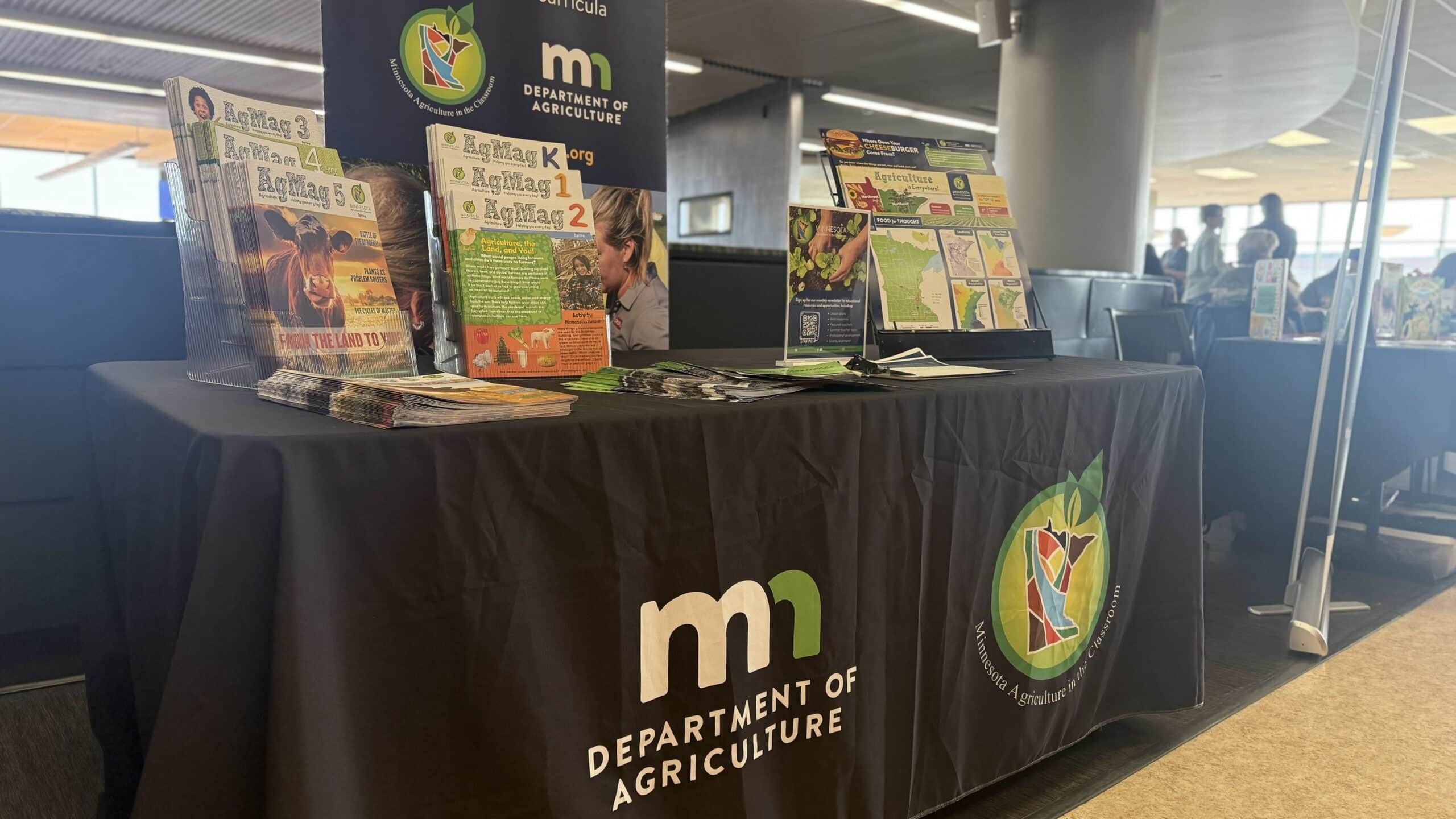
The first-ever Growing Minds Conference this summer was a resounding success, with educators from across Minnesota and Wisconsin coming together to connect over a passion of bringing agriculture into the classroom.
A special appreciation to this year’s conference sponsors! The Growing Minds Conference was made possible with the generous support of those who want to help provide educators with professional development opportunities and inspire students through agriculture. Their support helped to make the conference accessible and to strengthen the experience for everyone! Find out more about the sponsors on the MAITC Foundation website: https://maitcfoundation.org/2026-growing-minds-conference-sponsors/
Thank you to everyone who joined us at this amazing event.
Missed out this summer? The Growing Minds Conference will return in 2028!
Follow Minnesota Agriculture in the Classroom on Facebook and Instagram!
Learn about our featured resources, stay up to date on upcoming events, and more!
Sign Up to Receive Our Newsletter!
The Minnesota Agriculture in the Classroom e-newsletter provides us with the opportunity to connect educators with ideas on incorporating food, fiber, forests, flowers, and farming in their curriculum. Our newsletter highlights these connections through lesson plans, websites, books, videos and additional materials for classroom teachers, agriculture advocates and community volunteers who teach science, social studies, language arts, and health/nutrition. Stay updated with all Minnesota Agriculture in the Classroom upcoming events and news by subscribing!
Click here to find our sign up page!
Check out our other blog posts!