
Raspberries, strawberries, and blueberries; oh my!
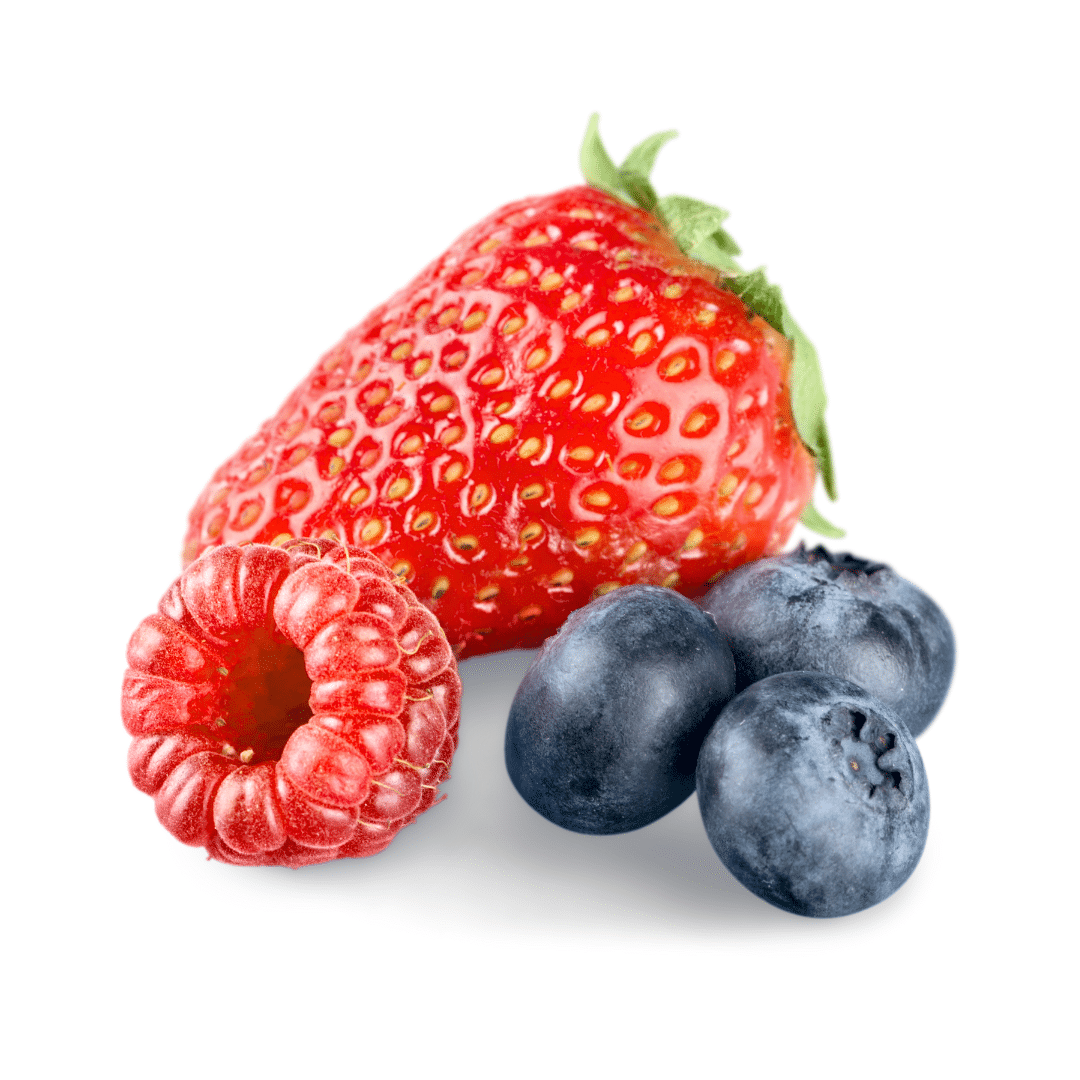
Fresh, ripe berries are the juicy jewels of Minnesota’s fruits. Round and plump blueberries. Sweet and juicy strawberries. Soft, sweet, and tart raspberries. Each of these Minnesota favorites has its own unique taste and shape, and each also grows in its own way.
Berries can taste sweet or tart.
But, really, they are both! It just depends on how much acid and sugar is in them. Berries are filled with water, which makes them super juicy. They are bursting with goodness too. Berries are rich in antioxidants—nutrients that help keep cells healthy. Berries are also low-calorie foods that contain important vitamins, like vitamin C, and lots of fiber. So, they not only taste good, but they keep you healthy too!
Many farmers grow raspberries, strawberries, and blueberries today. But these berries also grow wild around the state. They are native plants. Before they were farmed, they were an important food gathered long-ago to today by Native Americans.
Wild Picking and Farming Berries
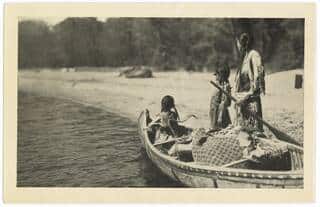
Native Americans were the first to use the wild berries in Minnesota. Both the Dakota and Ojibwe tribes picked berries as parts of their diets and for medicines too. Early to late summer was the time to find these sweet fruits.
Raspberries were eaten fresh or dried for the winter. Some tribes make a tea from the plant’s leaves to help ease certain ailments. Some chew on the plant’s roots to heal their mouths or treat coughs.
Ojibwe people dried blueberries in the sun. They put long strips of birch bark down and covered them with hay. Then the blueberries went on top and the sun dried them like raisins. They would cook the sweet, dried berries with water and meat or rice, or make a thick sauce called wojapi. If they picked enough berries, they would trade them for other goods.
Strawberries were also an important food.
They are one of the first berries to arrive in berry season, ripening in June. Strawberries were a welcome fresh treat after a long winter of eating dried fruit.
As European immigrants came, they picked berries too. And as many were farmers, berries became one kind of food that farmers grew. In the 1920s, the city of Hopkins was home to large raspberry producers. More than a million boxes of raspberries shipped out after a harvest! Berry farms in Minnesota today might grow one kind or several kinds of berries.
Kinds of Berries
Certain varieties of berries grow better in Minnesota than others. That’s because not all berry plants can survive the state’s cold winter. Here are some that grow well in Minnesota’s climate.
Raspberry
Boyne
Festival
Heritage
Killarney
Latham
Nova
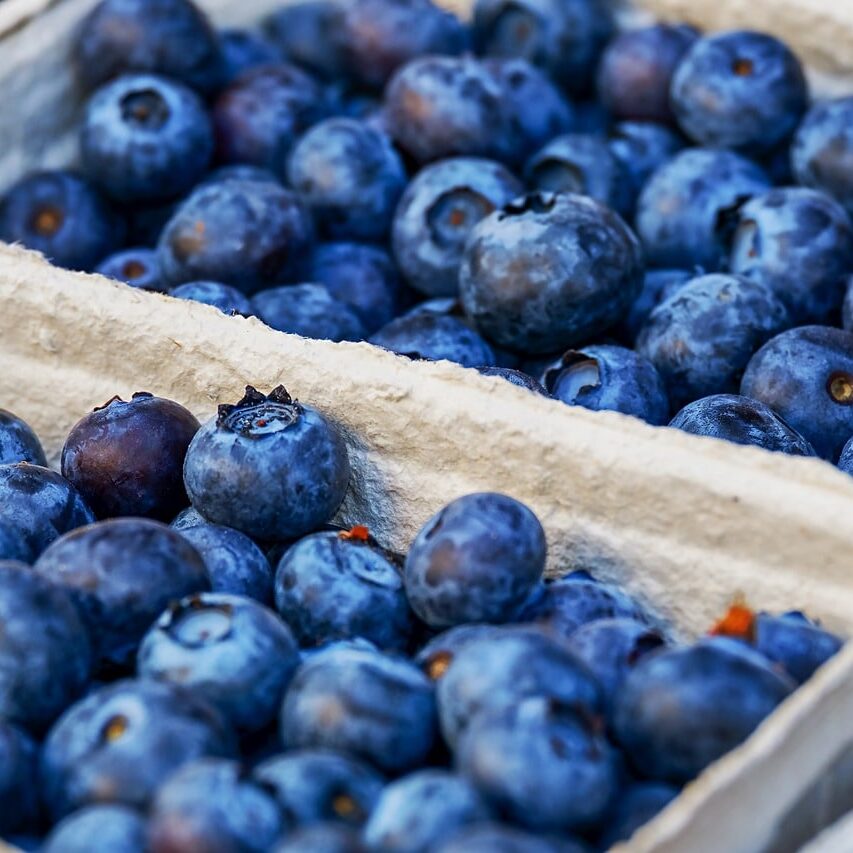
Blueberry
Plant Scientists at the University of Minnesota have developed varieties of blueberries for our cold northern climate in Minnesota. Examples of these blueberry varieties include:
Chippewa
Northblue
Superior
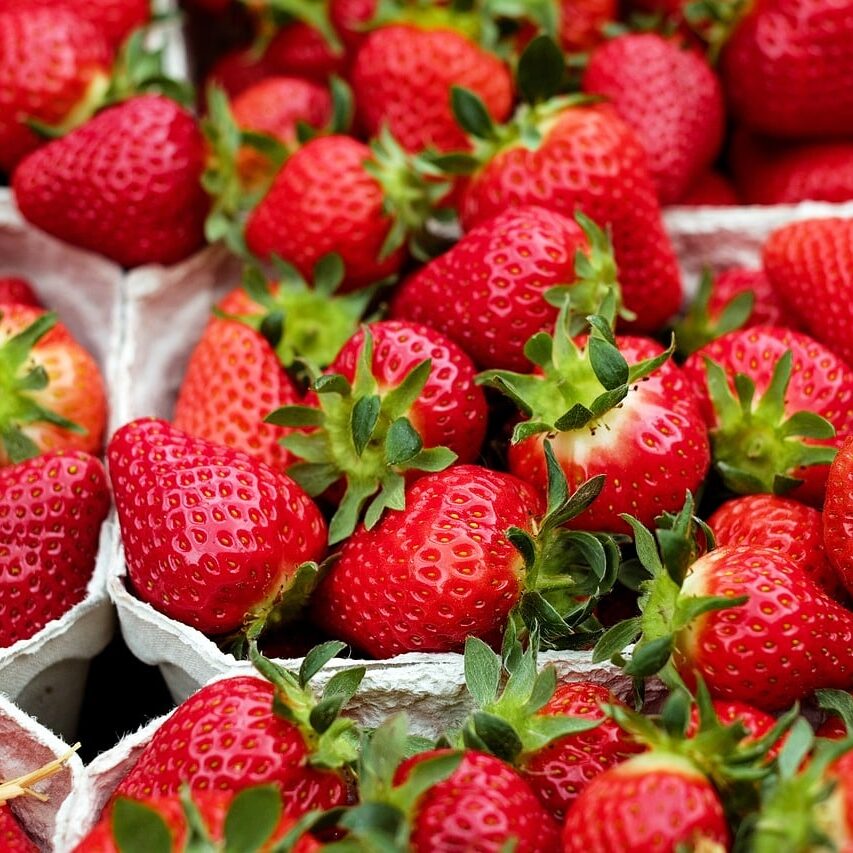
Strawberry
Jewel
Cavendish
Seascape
Growing Berries
While some berries grow on tall plants, others grow on plants near the ground. Here’s how strawberries, blueberries, and raspberries grow in Minnesota.
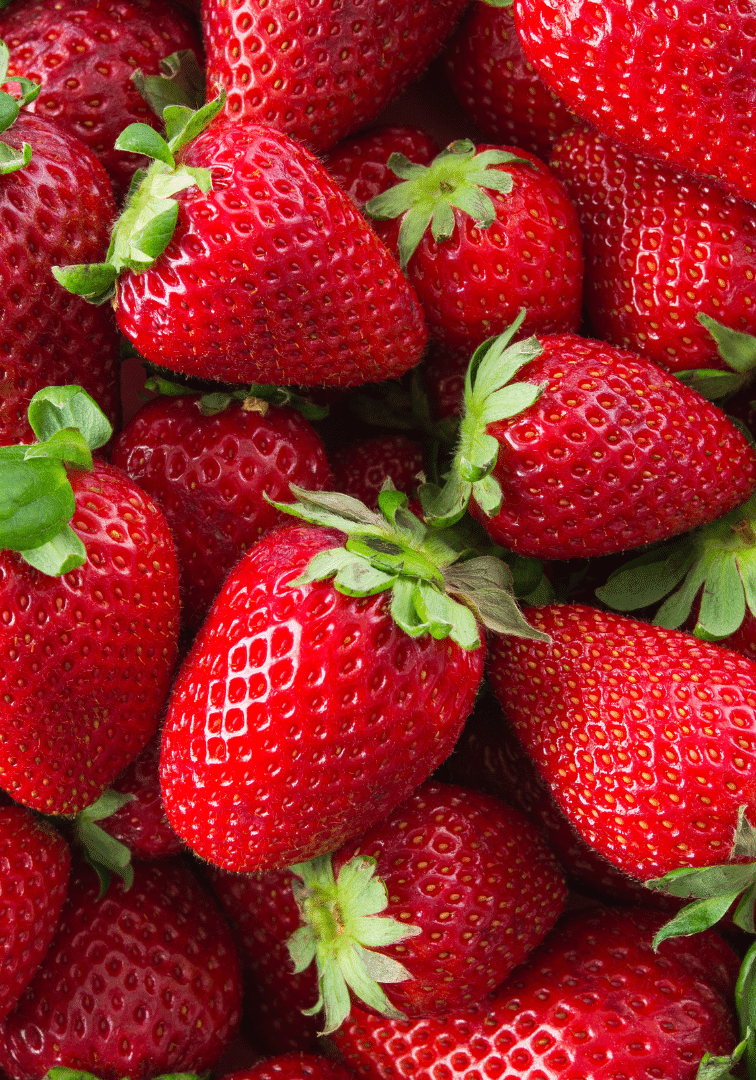
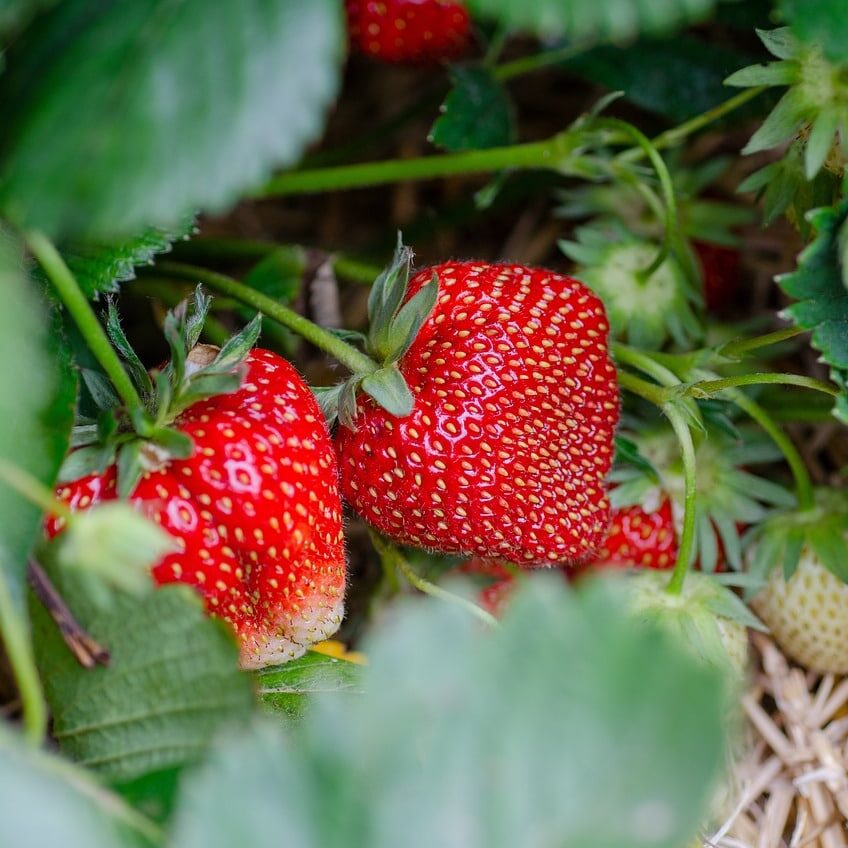
Wild strawberries are common across Minnesota. They grow well in dry fields, meadows, or at the edge of forests. These plants grow close to the ground and send out runners to start new plants. Strawberries require a lot of sunlight to make fruit. And not all kinds produce strawberries at the same time. June-bearing strawberries produce a lot of fruit in mid-June to early July.
Ever-bearing plants produce fruit twice in the season: early summer and early fall. Day neutral plants produce fruit all season long. Some farmers shelter the rows of plants with low tunnels. They also grow them in raised beds or on straw. When it gets cold outside, farmers cover strawberry plants with straw to protect them over the winter.
Wild blueberries grow mostly in the northeastern part of the state. They’re common in parts of the Boundary Waters Canoe Area. These small, woody shrubs grow well in forests with evergreen trees, like the pine tree. Once trees have been harvested and sunlight is available, blueberries grow very well in these forest areas. They also grow on sunny hills, near paths, or near forests. And you can find them where there has been a forest fire.
With lots of sun, small blue berries ripen from mid-July through August. Farmers grow them in rows with acidic soil. And while they need lots of water, the soil must drain well. Blueberry shrubs lose all of their leaves in the fall. Then they begin to grow again the next spring.
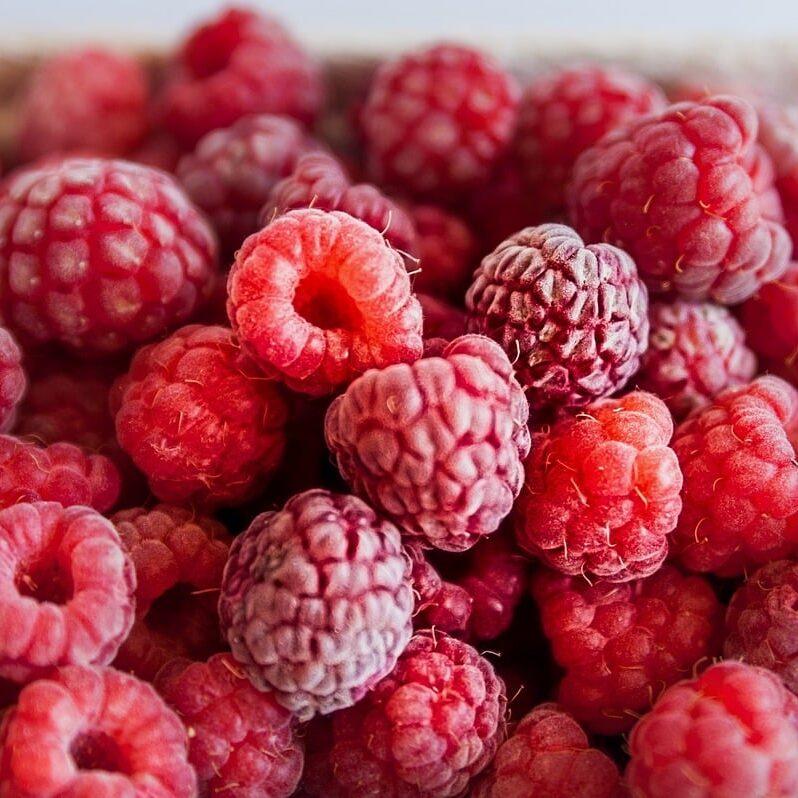
Wild raspberries can be found throughout the state. They are a kind of bramble, a plant that has long thorny shoots. Raspberries thrive in many habitats, from forests to meadows to swamps. They like soil that has sand, silt, and clay. And they need full sun to produce lots of berries.
Summer-bearing raspberries produce berries that are harvested in the middle of summer. Fall-bearing raspberries can keep producing berries from late summer into fall. Growers can use a trellis to help support plants and hold them up. Farmers may grow them in a high tunnel. This is a large structure covered by plastic. It can protect plants and help them produce more berries.
See how a Minnesota farmer grows their strawberries!
Berry Picking
When berries are ripe, you can pick them by hand. Farms might hire workers to do this job or machines can pick blueberries from the field. Many farms also have customers visit to pick their own berries. It’s a fun and delicious way to spend a morning. If you’re picking berries, be sure you’re at a berry farm or with an expert who can identify the berries. Here’s how you pick each kind.
Watch how you can pick strawberries at a farm!
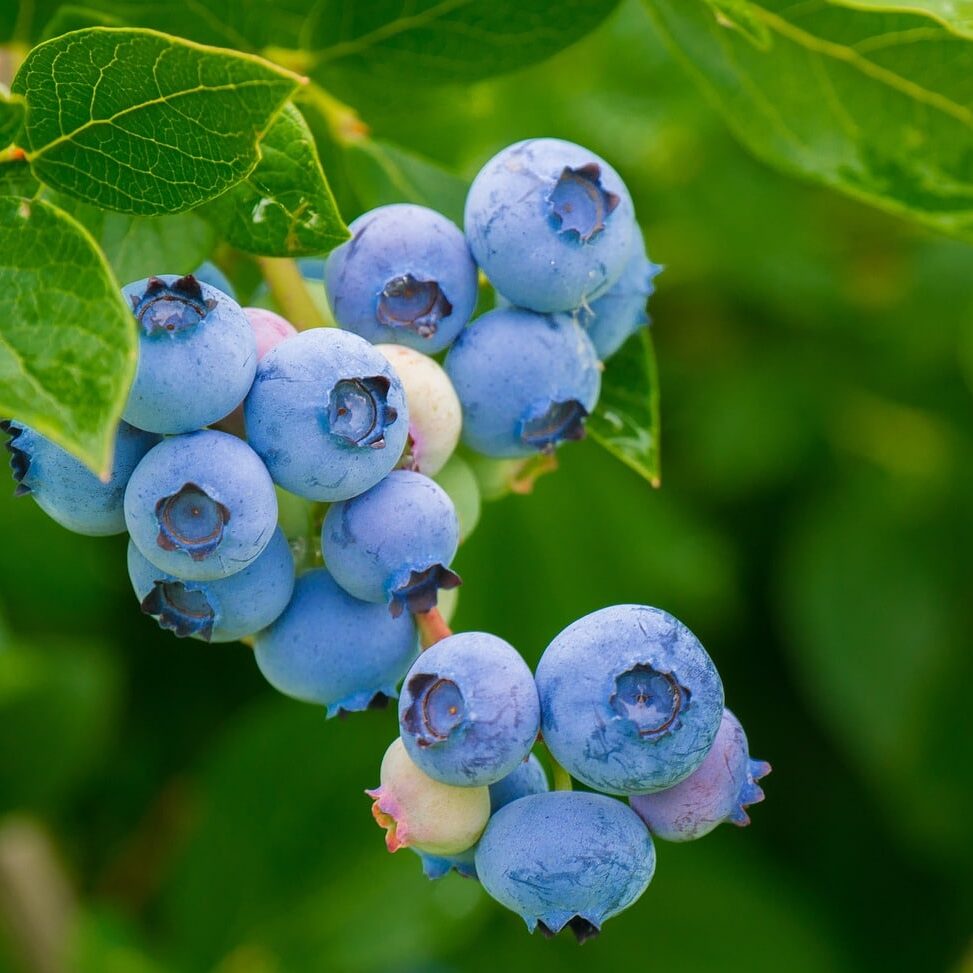
Blueberry
Hold a cluster of berries in your hand. Roll your thumb over the berries. Ripe berries will then fall into your hand.
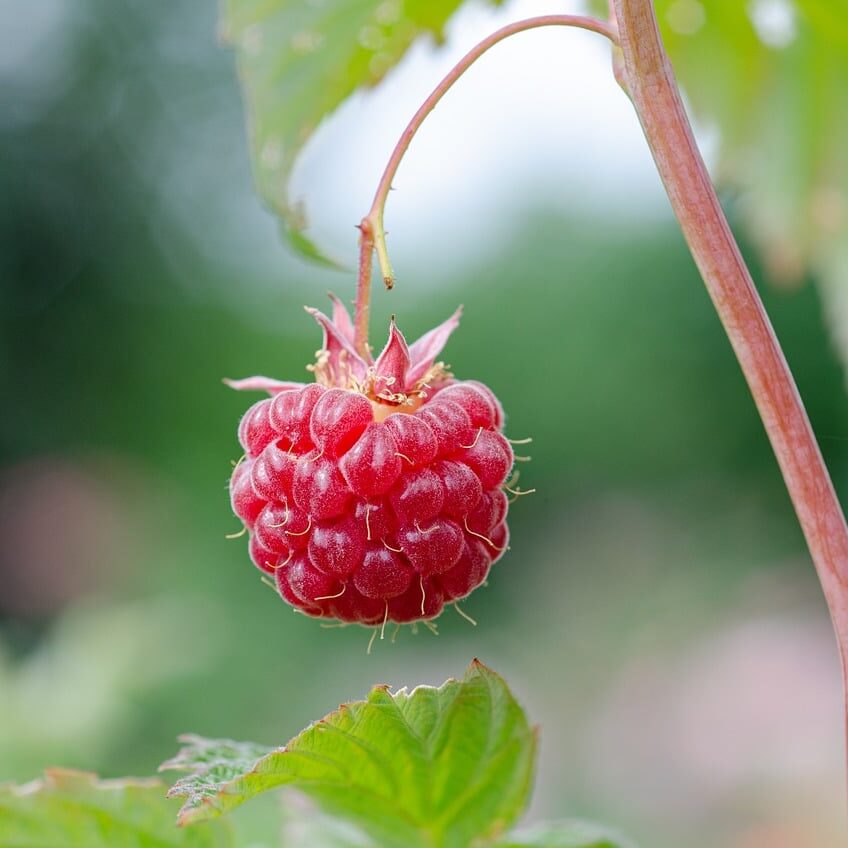
Raspberry
Grab a ripe, dark red berry with your finger and thumb. Then pull lightly! A ripe raspberry will easily come off the plant. Ripe raspberries can look purple, black, yellow, or orange. Whatever its color, you can tell it’s ripe by feeling it. Ripe raspberries are much softer than unripe ones.
Eating Berries
Sweet berries can be eaten all kinds of ways. The best way might be the simplest. Just pop one in your mouth for an instant treat!
You can also easily make jams, jellies, and sauces from them. They’re perfect toppings for pancakes, waffles, oatmeal, and toast. Sauces can go well with meat dishes or sweet foods.
Berries are great for baking too. Blueberry muffins, strawberry shortcake, and berry crisp and pie are all desserts that use berries. You can mix them into ice cream or make a fruit smoothie. You can even make berry popsicles and freeze them inside ice cubes.
To keep them for later, you can freeze them one by one on a cookie sheet. Then put them in a bag and keep them in the freezer. You can use a few or a lot any time you want the taste of sweet berries.
Try making this Strawberry Fruit Leather!
Minnesota Berry Farms
We have a lot of berry farms in Minnesota! There are more than 30 blueberry farms. We have more than 60 raspberry farms. But strawberries are farmed the most. More than 100 farms grow this red berry! Many of these farms offer berries that you can pick yourself.
Berry Fun Facts

Minnesota’s state muffin is one filled with blueberries! It’s because wild blueberries are native to northeastern Minnesota. They also are perfect in muffins.
-
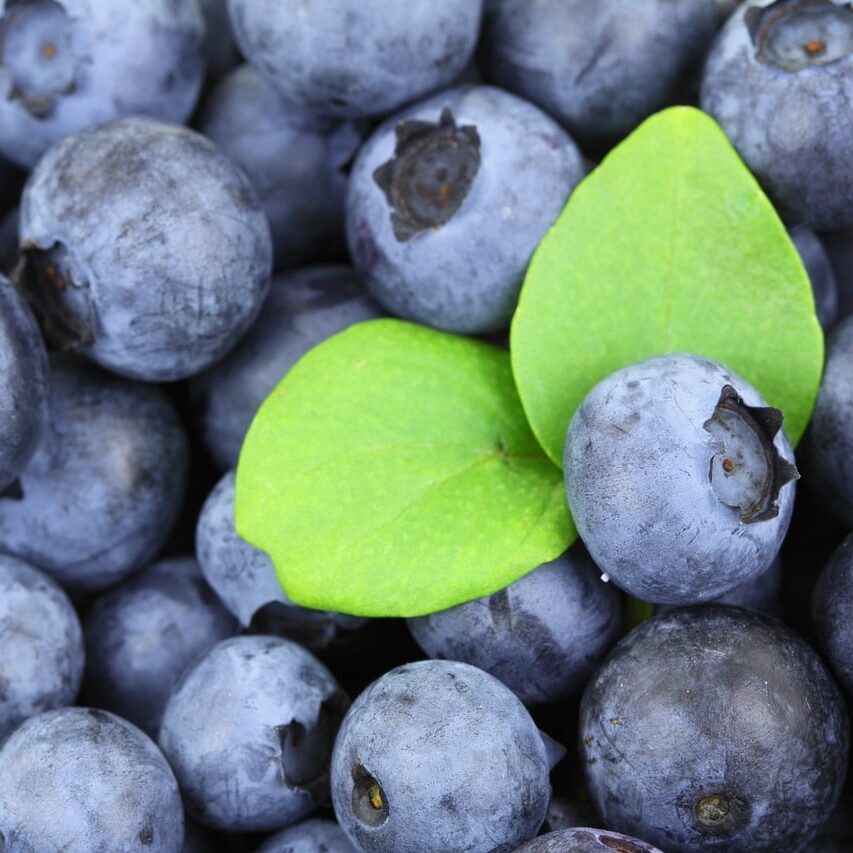
Blue foods are really rare. That makes blueberries special. They are one of the few foods that are naturally blue!



-
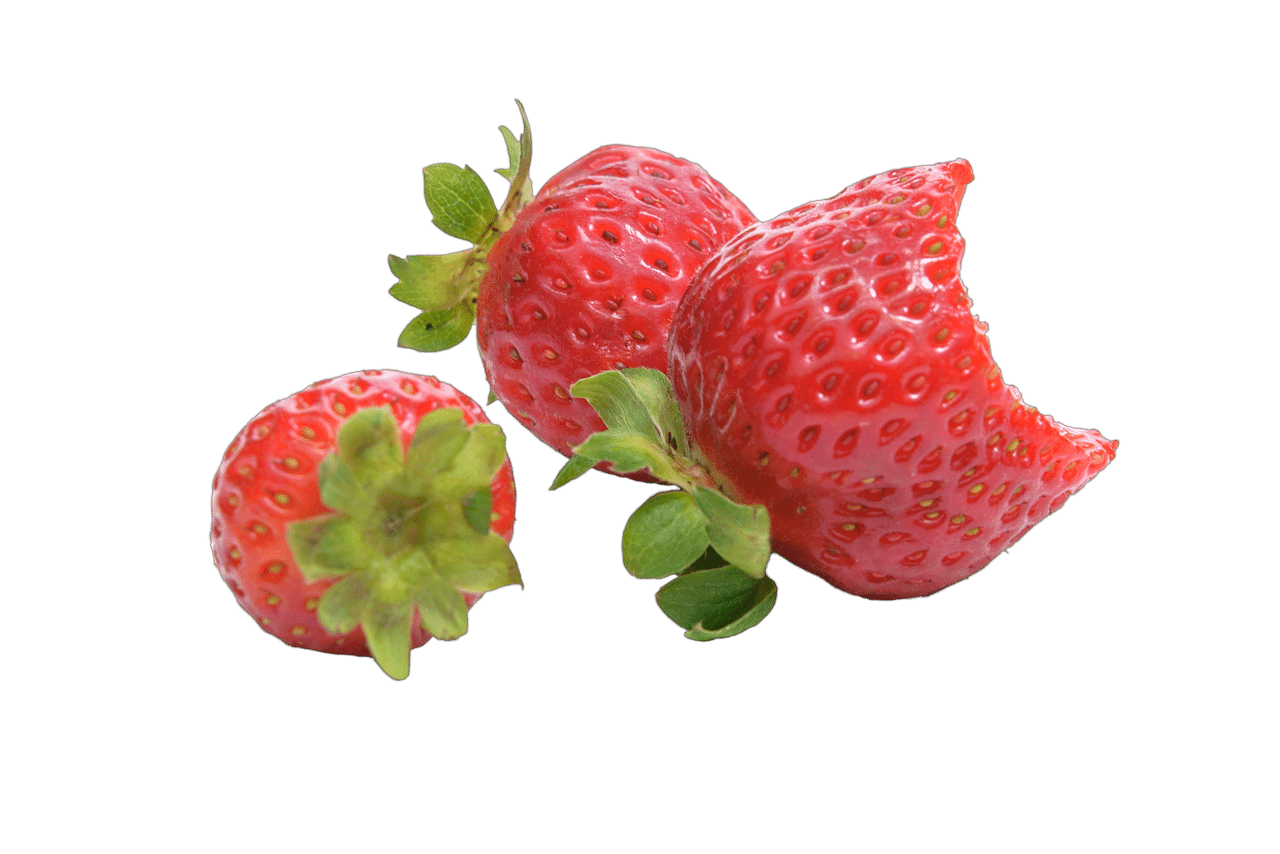
One strawberry has around 200 tiny seeds!
-
Many other berries grow in Minnesota, including:
- honeyberries
- serviceberries
- gooseberries
- currants