National Native American Heritage Month 2026
November is National Native American Heritage Month!
Agriculture is practiced in many ways, and this month, we want to highlight Indigenous agricultural practices, Indigenous farmers and organizations in Minnesota, and feature agricultural products native to the state, like bison and wild rice! Some of the resources are from our Minnesota Agriculture in the Classroom program, while others are sourced from Minnesota state departments, as well as other non-Minnesota state government sources.

Our mission at Minnesota Agriculture in the Classroom (MAITC) is to provide free curriculum, educational resources, grants, outreach, and professional development opportunities to increase ag literacy through K-12 education.
The Minnesota Agriculture in the Classroom program is supported by public and private sectors that have pooled human and financial resources to advance agricultural literacy among K-12 students and educators. The Minnesota Department of Agriculture (MDA) is the lead for MAITC program development and implementation, while the Minnesota Agriculture in the Classroom Foundation secures and manages private funds to support the overall program.
Land Acknowledgement
Agriculture would not be possible without land, and it’s important for us to acknowledge the history of this land and the people who call Minnesota home.
The Minnesota Department of Agriculture recognizes that Minnesota’s vibrant food system is built on land which is crucial to Indigenous cultural identity. While this land acknowledgment doesn’t rectify the significant cultural, physical, and emotional losses of Indigenous people due to the loss of land and connection with it, the Department hopes it is a good starting point to move forward together to both fulfill the agency’s mission to enhance all Minnesotans’ quality of life by equitably ensuring the integrity of our food supply, the health of our environment, and the strength and resilience of our agricultural economy, and to support current Indigenous efforts to use food as a means of reaffirming their treaty rights and regaining culture, sovereignty and self-sufficiency for all tribes in Minnesota.
The name Minnesota comes from the Daḳota name for this region, Mni Sota Maḳoce — "the land where the waters reflect the clouds." The Daḳota and numerous other Indigenous peoples, whose cultural, spiritual, and economic practices are intrinsically woven to this landscape, hold this land sacred. We, the Minnesota Department of Agriculture, recognize them as original stewards of this land and all the relatives within it, who had thriving and vibrant communities prior to disruption by settlers.
Today, the State of Minnesota shares geography with eleven Tribal Nations, in addition to the Ho-Chunk, Cheyenne, Oto, Iowa, Hidatsa, Arikara, A’aninin, Cree, Blackfeet, Assiniboine, and the Sac and Fox tribes all who also acknowledge Minnesota as important to their tribal histories. By offering this land acknowledgement, we affirm tribal sovereignty and hold ourselves accountable to recognize and counter the historical and contemporary injustices that continue to impact Indigenous people, through mutually beneficial partnerships, research, policies, and practices that respect Indigeneity.
Minnesota’s 11 Tribal Nations
There are 11 Tribal Nations that share geography with what is now the state of Minnesota. Each tribe is a sovereign nation, meaning they are individually unique and distinct from other federally recognized tribes. In Minnesota, there are seven Ojibwe reservations and four Dakota communities. To learn more about each Tribal Nation, check out these resources from the Minnesota Department of Transportation:


Tribal Relations Trainings with MDE
The Minnesota Department of Education (MDE) offers FREE Tribal Relations Training for Minnesota teachers! These opportunities aim to:
- Develop meaningful relationships between educators and American Indian students, their families, and American Indian Parent Advisory Committees
- Increase educators’ knowledge and understanding of Indigenous culture
- Support American Indian students in reaching their fullest potential
- Provide opportunities to complete continuing education requirements
eLearning for Teachers
The courses are endorsed by the Professional Educator Licensing and Standards Board (PELSB) to count toward the cultural competency license renewal condition.
Key Concepts and Terms
Educators who complete the course can earn one continuing education unit (CEU) credit. Self-register for the course on Canvas at Enroll in MDE Key Concepts and Terms or sign up through an existing Canvas account with the join code YBTYR9.
Federal Indian Policy
Educators who complete the course can earn 1.5 continuing education unit (CEU) credit. Self-register for the course on Canvas at Enroll in MDE Federal Indian Policy or sign up through an existing Canvas account with the join code 4JR34P.
For more information, contact MDE Tribal Liaison, Eli Dotts, eli.dotts@state.mn.us
Video Resources
Minnesota Harvest of the Month Videos
The Minnesota Harvest of the Month (HOTM) program celebrates and promotes the use of seasonally available, locally grown, raised, and harvested products. Designed for early care and K-12 settings, the program provides educators with resources to connect young people with local foods
Growing Squash with Dream of Wild Health
Grades 9-12
In April of 2026, HOTM published a series of YouTube videos featuring Minnesota-grown products and the local farmers that are growing them. One of these videos features squash grown by Dream of Wild Health, an intertribal, independent nonprofit that serves the Minneapolis-St. Paul Native community. Their mission is “to restore health and well-being in the Native community by recovering knowledge of and access to healthy Indigenous foods, medicines and lifeways.”
Squash is hearty and versatile, and has been grown by humans for thousands of years. In the video, seed keepers from Dream of Wild Health share the important cultural and agricultural significance of squash and how it plays a role in Three Sisters agriculture.
Wild Rice and the Ojibwe Tribe
Grades K-5 and 6-12
Wild rice, also called manoomin, is a staple food native to states in the Great Lakes region. The Ojibwe people have been nurturing and harvesting wild rice for centuries. Check out these Harvest of the Month videos from 2024 and watch how the White Earth Reservation in Naytahwuash, Minnesota shows how important wild rice is to the Ojibwe tribe.
Preserving Heirloom Crops with Wozupi Tribal Gardens
Grades 3-12
The Wozupi Tribal Gardens, located in Prior Lake, Minnesota, is an organic farm “committed to growing food in a way that nourishes the earth, the community, and people’s minds and bodies.” The Gardens are owned and operated by the Shakopee Mdewakanton Sioux Community–a federally recognized, sovereign Dakota tribal government.
The farm grows heirloom crops from seeds that have been passed down for generations and have been selected by gardeners for specific traits. Some of their heirloom crops pre-date colonization and without preserving the seeds, people wouldn’t be able to enjoy Indigenous foods. Learn more about how Wozupi Tribal Gardens are preserving Indigenous and heirloom crops in this video from the Minnesota Department of Agriculture.
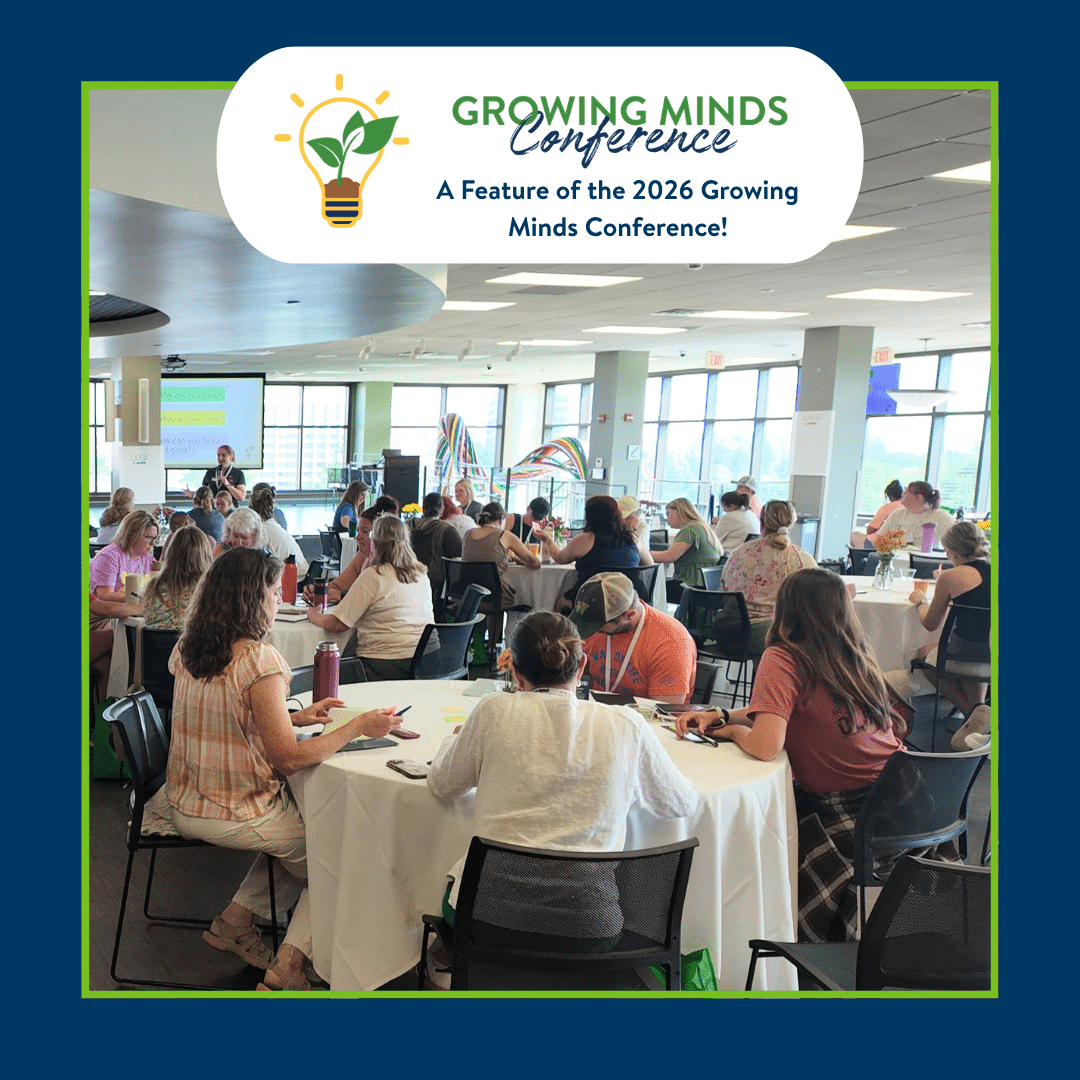
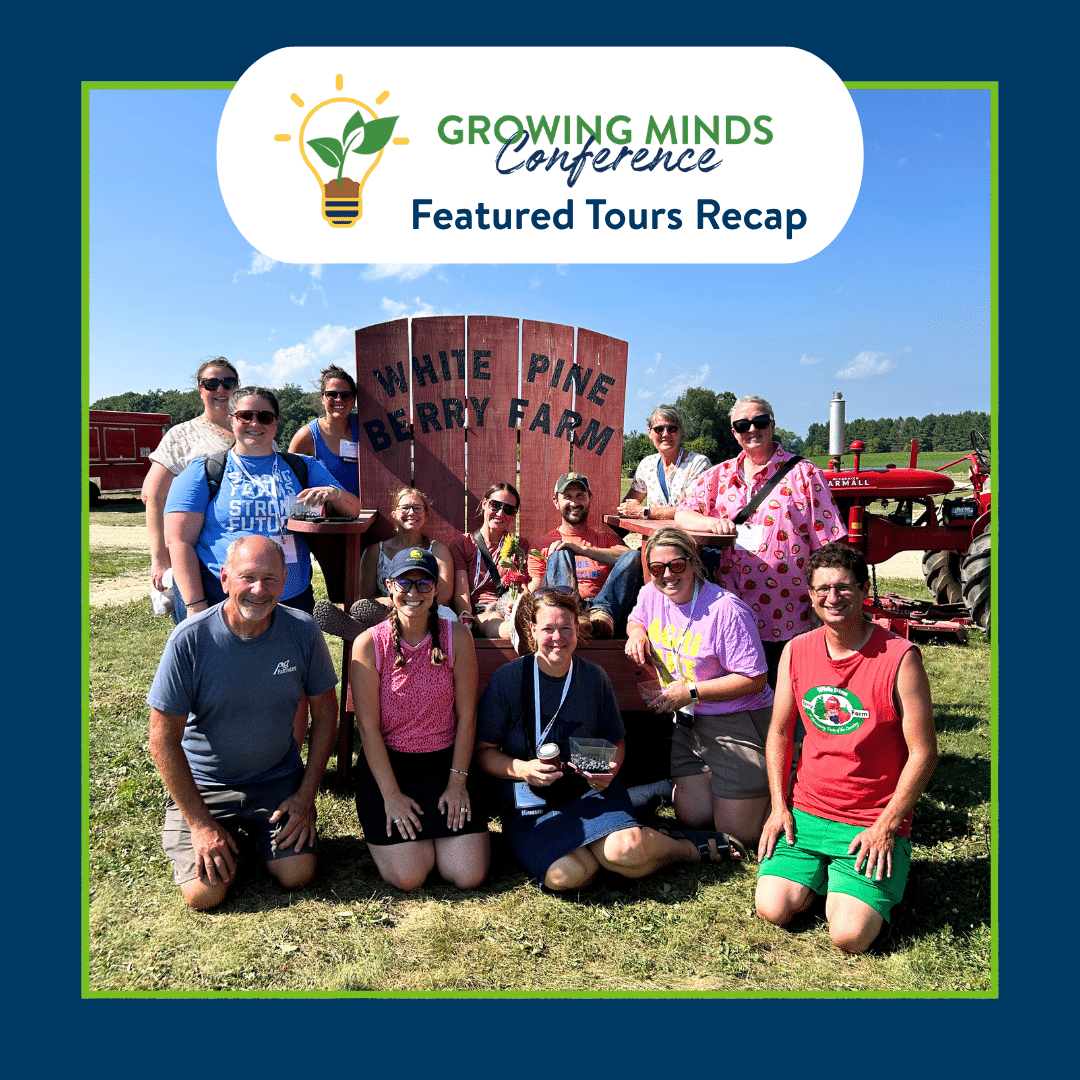
We had the opportunity to visit the Wozupi Tribal Gardens in July 2026 for one of the featured tours at the Growing Minds Conference! You can read more about the featured tours on our blog: https://mnagmag.org/growing-minds-conference-2026-featured-tours-recap/
Native American History by Crash Course
Grades 9-12
Crash Course is a popular YouTube channel that believes high-quality educational videos should be available to everyone for free. Their video playlist “Native American History” includes 24 videos that aim to teach people about “the deep, ongoing history of Native peoples in what’s now known as the United States—from time immemorial to the Land Back movement.”
These videos were designed with a team of Indigenous experts and are based on an introductory college-level curriculum.
Kanenon We - Original Seeds
Grades 9-12
Directed by Katsitsionni Fox
This short film follows three Haudenosaunee women as they reclaim their sacred roles as seed keepers, working to revive ancestral seed traditions on the brink of extinction. Rooted in generations of Indigenous knowledge, their work sits at the intersection of culture, survival, and resistance.
The film is available for purchase as a DVD or digital license. Learn more about the film and purchase a copy here: https://www.wmm.com/catalog/film/kanenon-we-original-seeds/
You can also explore the film’s website to find associated curriculum for many grade levels, as well as a discussion guide for the film: https://www.kanenonweoriginalseeds.com/
Watch the trailer for the film below.
Curriculum and Lesson Plans
MAITC Featured Lesson Plans
The Minnesota Agriculture in the Classroom program website features the National Agricultural Literacy Curriculum Matrix–a free database of standards-based lesson plans and resources for K-12 educators that use agriculture as a lens for teaching science, social studies, career and technical education, and nutrition. Expand each block below to see some of our featured lesson plans for National Native American Heritage Month!
Grades 3-5
Students investigate the "three sisters" crops (corn, beans, and squash) and explore the benefits of planting these crops together.
Grades 3-5
Students explore companion plants, intercropping, and polyculture and make connections to the ancient practices of Indigenous peoples through the Three Sisters Garden.
Grades 3-5
Students explore the life cycle of wild rice, compare the steps of the traditional Native wild rice harvest with a cultivated wild rice harvest, and create their own wild rice bowls.
Grades K-2
Students recognize how geography and climate allow for the growth of maple trees and the process of making syrup, identify the characteristics of maple trees that produce the best sap for making maple syrup, and name the steps in the process of creating syrup from sap.
Youth Gardening Curriculum
This curriculum is developed by Indigenous Food Network (IFN), a program through Dream of Wild Health. IFN is a collaboration of Native-led community organizations in the Twin Cities who are working to rebuild a sovereign food system.
The youth gardening curriculum is rooted in culturally-relevant teachings and aims to educate Indigenous youth about traditional medicinal practices, gardening techniques, and the cultivation, preservation, and harvesting of seeds and plants.
As detailed on Dream of Wild Health’s website: Using lessons created by Odia Wood Krueger (Métis), the curriculum is designed to educate Indigenous youth about traditional medicinal practices, gardening techniques, seed care, and cultivating a good relationship with plant relatives. The content is informed by Indigenous seed keeper Jessika Greendeer (Ho-Chunk), Indigenous elders Hope Flanagan (Seneca), Francis Bettelyoun (Oglala Lakota), and Linda Eagle Speaker (Blackfeet). We hope that you and your Native American students enjoy these lessons, and that through teaching and sharing them, we can help restore health and well-being in our communities.
Visit Indigenous Food Network’s website to learn more about the program and access this curriculum: https://dreamofwildhealth.org/indigenous-food-network/
Web Resources
Faces of Native Agriculture
Designed by the Native American Agricultural Fund, “Faces of Native Agriculture” is a publication that “introduces the Native producers, entrepreneurs, and leaders shaping agriculture in their communities and beyond.”
Check out their Spring 2026 edition on their website!
One of the articles features Joey Goodthunder, a farmer and member of the Lower Sioux Indian Community! We also featured Joey in our AgMag 5 Fall Edition in the article ““Grow Your Future in Agriculture.”
Native Land Information System
The Native Land Information System (NLIS) is a digital collection of “learning resources, information, and data to help defend and protect Native lands for the benefit of Native peoples.” Their website includes interactive dashboards, maps, and storymaps to visually explore data in a variety of ways.
One resource we recommend from NLIS is the article “The General Allotment Act of 1887 Crippled Native Agriculture for Generations.” It’s important to recognize that the relationship between Tribal Nations and the United States federal government is convoluted and that some actions taken by the United States have negatively impacted Indigenous peoples. This article examines the history of agriculture on Native American reservations and how the General Allotment Act had a major negative impact on native agriculture.
Bison Educational Resources
The American bison–also called a buffalo–is the largest land mammal in North America and has a strong cultural connection to many Indigenous Tribes. July was National Bison Month and November 7th is National Bison Day. Check out our blog post “July is National Bison Month!” to find educational resources all about bison!

AgMag Featured Articles
The AgMag is a series of agricultural educational resources, featuring two grade-specific issues in print and online for each K-6 grade level. The AgMags are regularly updated to feature new articles and ensure content meets educational standards. They are available digitally on our website, or you can order FREE copies for your classroom!
Check out some articles in the AgMags that feature Native farmers across Minnesota!
AgMag 2 - Fall Edition
“Cool Tools From Nature” features tools from nature used to harvest wild rice.
AgMag 2 - Spring Edition
“Meet the Black Elk Family” features Linda and Luke Black Elk and their family who are a part of the Cheyenne River Sioux Tribe who grow food on their farm, hunt and fish, and gather wild foods.
AgMag 3 - Fall Edition
“Who Are the Growers” features Dream of Wild Health Farm in Hugo, MN.
AgMag 4 - Fall Edition
“Farming Across Minnesota” features the Red Lake Buffalo Ranch located on the Red Lake Nation in northern Minnesota.
AgMag 4 - Spring Edition
“Meet the Farmer” features David and Patra Wise who live on the Fond du Lac Reservation in Sawyer, MN and farm wild rice and bison. The article also explores the seven generations principle.
AgMag 5 - Fall Edition
“Grow Your Future in Agriculture” features Joey Goodthunder, a hemp farmer and member of the Lower Sioux Indian Community.
AgMag 6 - Fall Edition
“Sharing Culture Through Food” features foods that are native to Minnesota and their cultural importance to the Dakota and Anishinaabe Tribes. And the article “Water Power on the Mississippi” features how St. Anthony Falls was transformed to be used for power and discusses how this affected Tribal communities.
Indigenous Education for All (IEFA)
Through the Minnesota Department of Education, Indigenous Education for All “integrates Anishinaabe and Dakota cultural, historical, and contemporary contributions into Minnesota’s K-12 curriculum.” The initiative aims for Tribal Nations to reclaim Indigenous narratives about histories, cultures, and sovereignty, and ensures students and educators learn about local Indigenous communities while meeting academic standards and addressing educational gaps.
Passed by the Minnesota Legislature in 2023, Indigenous Education for All (IEFA) integrates Anishinaabe and Dakota cultural, historical, and contemporary contributions into Minnesota's K-12 curriculum. The initiative helps ensure that students and educators learn about the Indigenous communities of Minnesota while meeting academic standards and addressing longstanding educational gaps.
IEFA supports the reclamation and inclusion of Indigenous narratives by incorporating Tribal histories, languages, sovereignty, cultures, treaty rights, governance systems, socioeconomic experiences, and the contemporary experiences of Tribal Nations in Minnesota.
To meet IEFA requirements, educational resources must be Tribally endorsed by a Minnesota Tribal Nation. These resources may be used across subject areas and continue to be developed by Tribal Nations. Tribally endorsed and Tribally created resources are available through the Minnesota Department of Education (MDE).
Under Minnesota Statutes, section 120B.021, subdivision 5, MDE is responsible for providing resources that meet IEFA requirements. Educators and school districts are not responsible for creating IEFA resources or seeking Tribal endorsement. Once resources are published by MDE, districts may implement them in their classrooms and curricula.
It is important to note that while IEFA resources may be used across a variety of subjects, not all Indigenous-focused materials meet IEFA requirements. To qualify as IEFA resources, materials must be endorsed by a Minnesota Tribal Nation and published through MDE. Resources obtained from other sources may still be valuable educational tools, but they cannot be considered IEFA-compliant unless they have received Tribal endorsement and are included on the MDE website.
If you have questions about a resource and would like guidance on whether it provides accurate representation and perspectives of Tribal Nations, please reach out to staff at MDA. We can work with Tribal Relations staff, the IEFA team at MDE and Tribal Nations to help determine whether a resource may be appropriate for educational use.
Agriculture in the Classroom educators are encouraged to visit the MDE IEFA website regularly as new resources become available. Indigenous communities have long played a significant role in shaping agricultural knowledge, practices, and food systems, creating many opportunities to incorporate IEFA resources into agricultural education.
One IEFA Tribally Endorsed resource that may be particularly valuable for elementary educators, especially those working with Ojibwe students, is the Fond du Lac Ojibwemowin Learning Materials. developed by the Fond du Lac Band of Lake Superior Chippewa.
The learning materials website offers a variety of resources that support language learning and cultural connection. Educators looking for Ojibwe pronunciation support may find the following resources especially helpful:
- Ojibwe Sound Chart & Recordings
- See and Say Immersion Videos
For educators interested in connecting IEFA content to agriculture, food systems, and natural resources, several Ojibwemowin coloring books are available, including:
These resources provide engaging opportunities to incorporate Ojibwe language and Indigenous perspectives into classroom learning while supporting connections to agriculture, food traditions, plants, and natural resources.
Follow Minnesota Agriculture in the Classroom on Facebook and Instagram!
Learn about our featured resources, stay up to date on upcoming events, and more!
Sign Up to Receive Our Newsletter!
The Minnesota Agriculture in the Classroom e-newsletter provides us with the opportunity to connect educators with ideas on incorporating food, fiber, forests, flowers, and farming in their curriculum. Our newsletter highlights these connections through lesson plans, websites, books, videos and additional materials for classroom teachers, agriculture advocates and community volunteers who teach science, social studies, language arts, and health/nutrition. Stay updated with all Minnesota Agriculture in the Classroom upcoming events and news by subscribing!
Click here to find our sign up page!
Check out our other blog posts!


November 23, 2026
Written by Elliot Dusosky (MAITC Student Worker)
Edited by Cyndi Bergloff (MDA Tribal Resource Liaison)
Minnesota Agriculture in the Classroom