July is National Bison Month!
This month, we celebrate the American bison as stewards of our native landscapes, acknowledge their ecological impact and historical significance, and honor them as a local agricultural product.
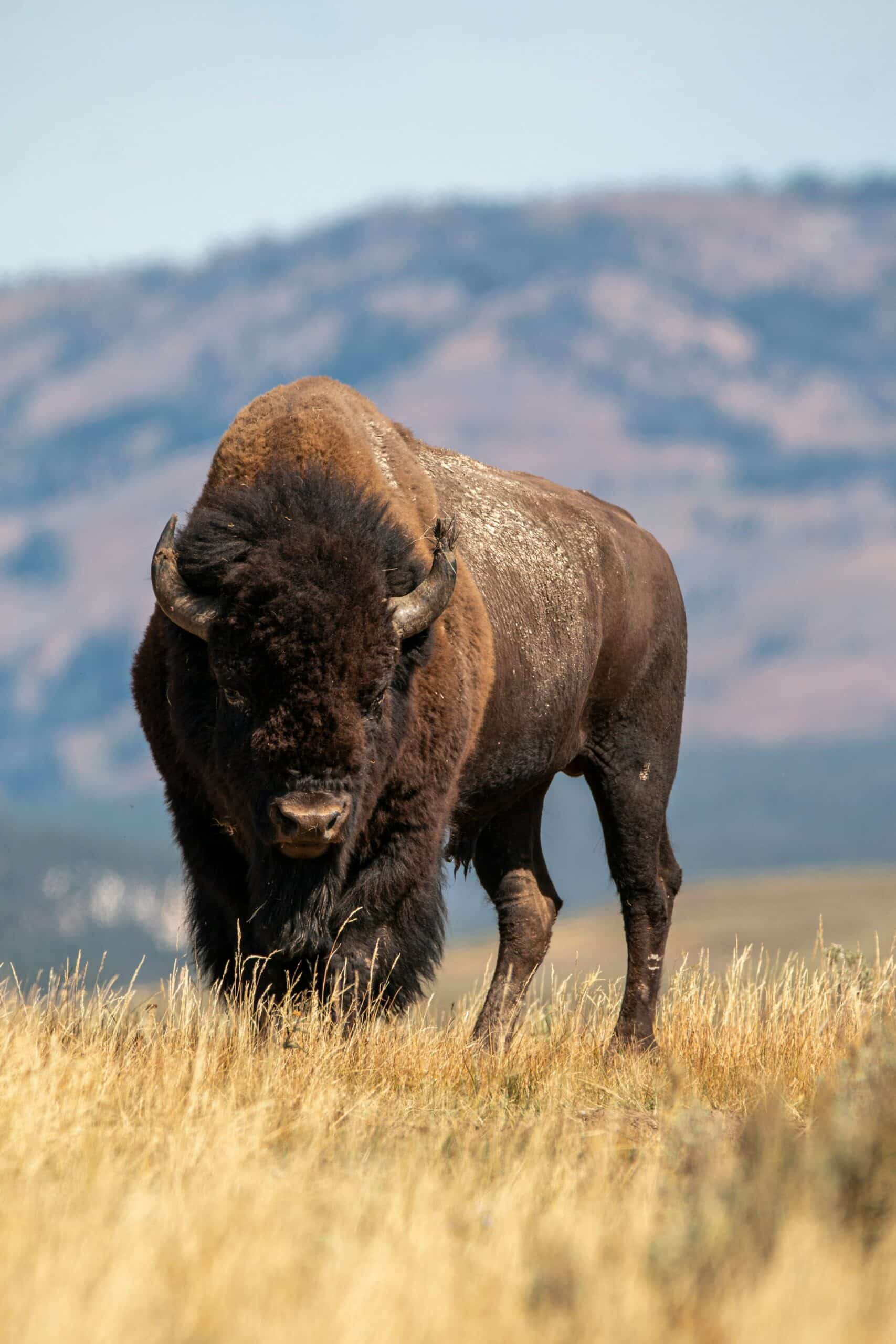
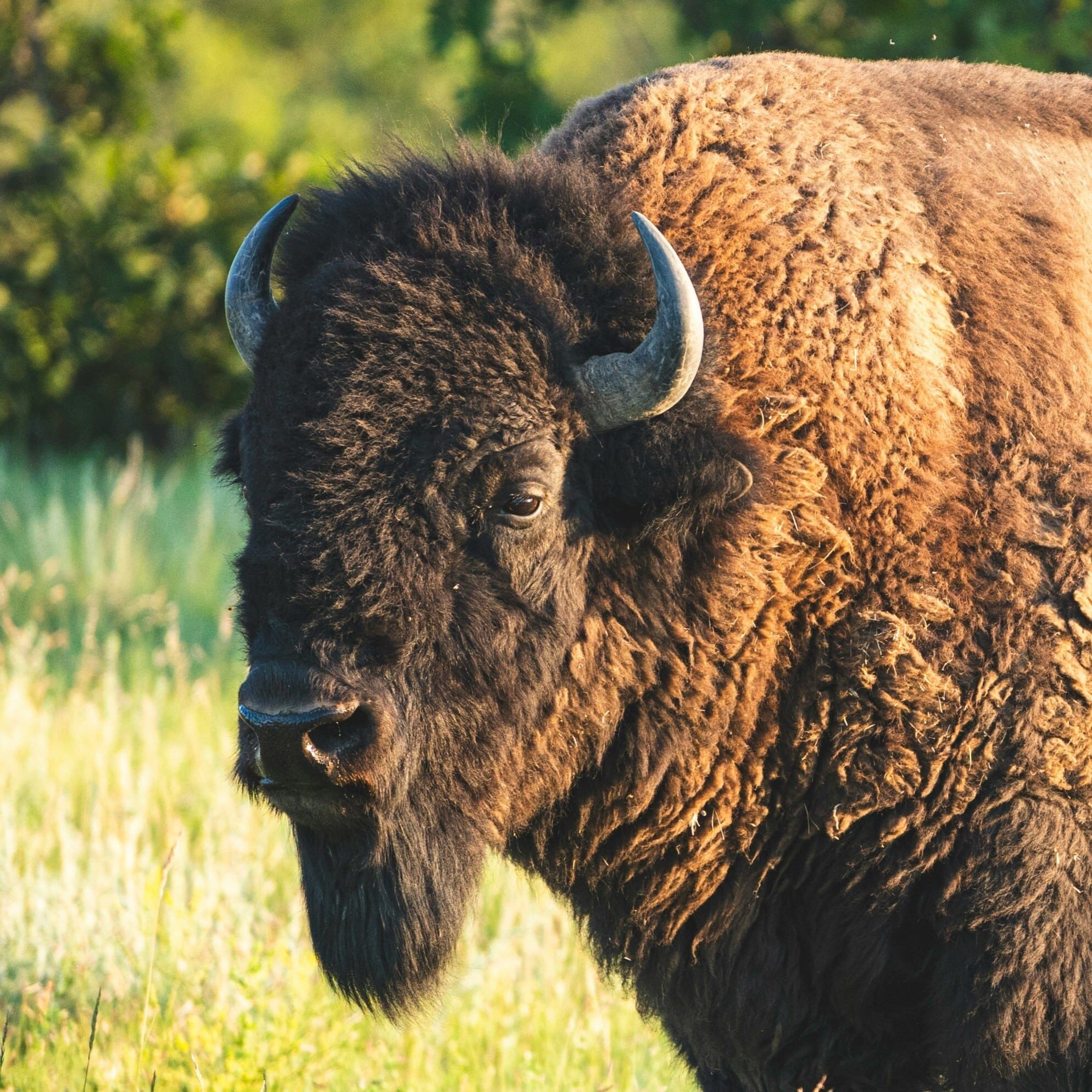
The American bison – also known as the buffalo – is the largest land mammal in North America and is the United States’ National Mammal! These majestic animals are a keystone species: an organism that has a major influence on the functioning of the ecosystem it lives in¹. As bison graze, they disturb, fertilize, and regenerate the soil which promotes healthy growth and biodiversity².
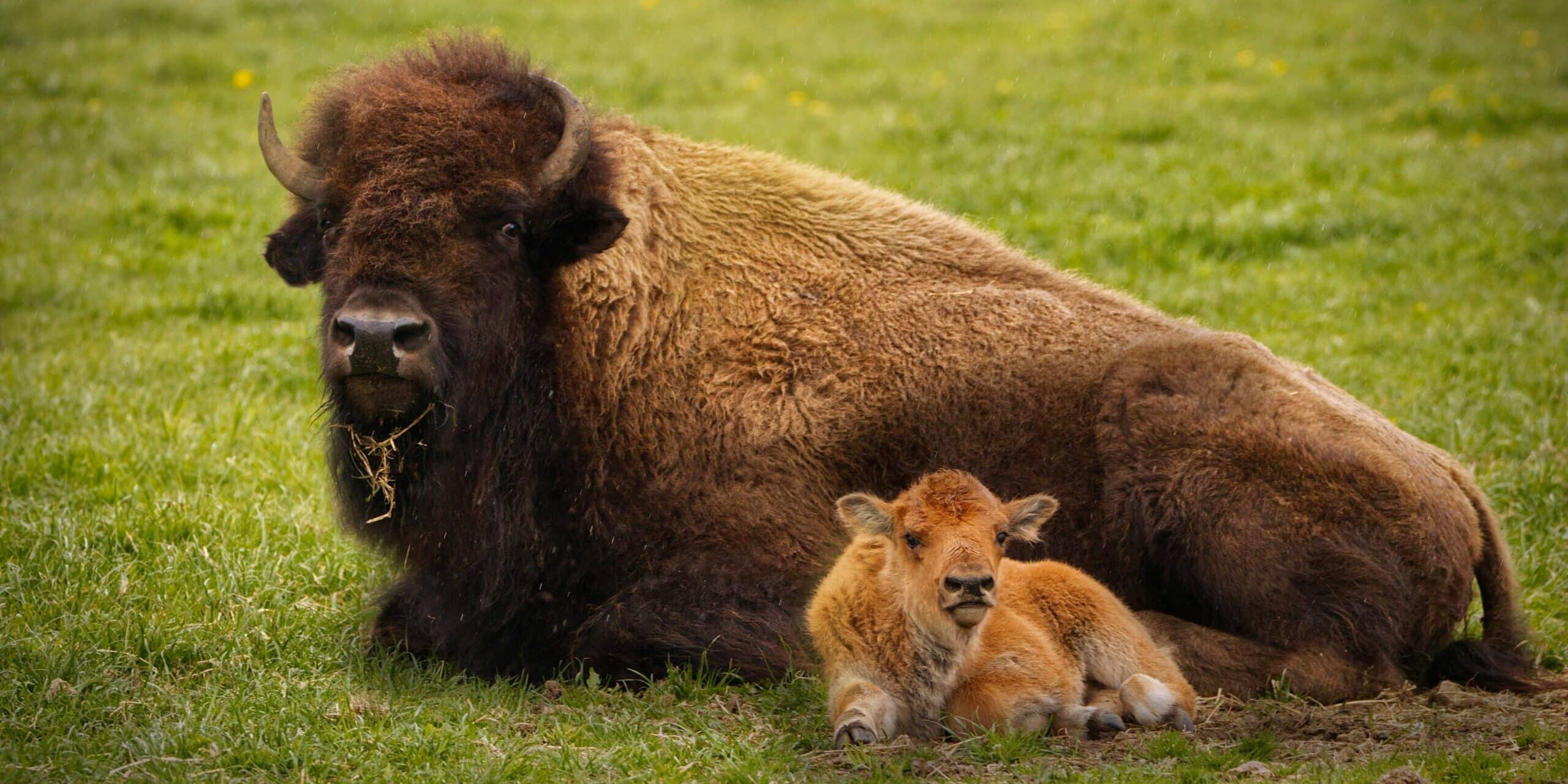
Prior to Western expansion in what is now the United States, Canada, and Mexico, tens of millions of bison roamed North America. However, as colonization occurred, bison were systematically slaughtered until only a few hundred remained³. Many Indigenous Tribes hold strong cultural connections with bison and their conservation work has been instrumental in restoration efforts⁴. After many decades, there are now over 500,000 bison in North America, with over 400,000 residing in commercial herds³.
During National Bison Month, we also celebrate bison as a product of local agriculture. Bison meat is rich with many essential nutrients, including protein, iron, and B vitamins⁵. Bison is one of the leanest proteins on the market, with much less fat than beef or chicken². It can also be used as a substitute for beef in many recipes.
Celebrate with us this month by exploring our bison-themed learning resources! Continue reading to find digital resources, books, and videos all about the amazing American bison!
Red Lake Buffalo Ranch
Red Lake Nation in Northern Minnesota
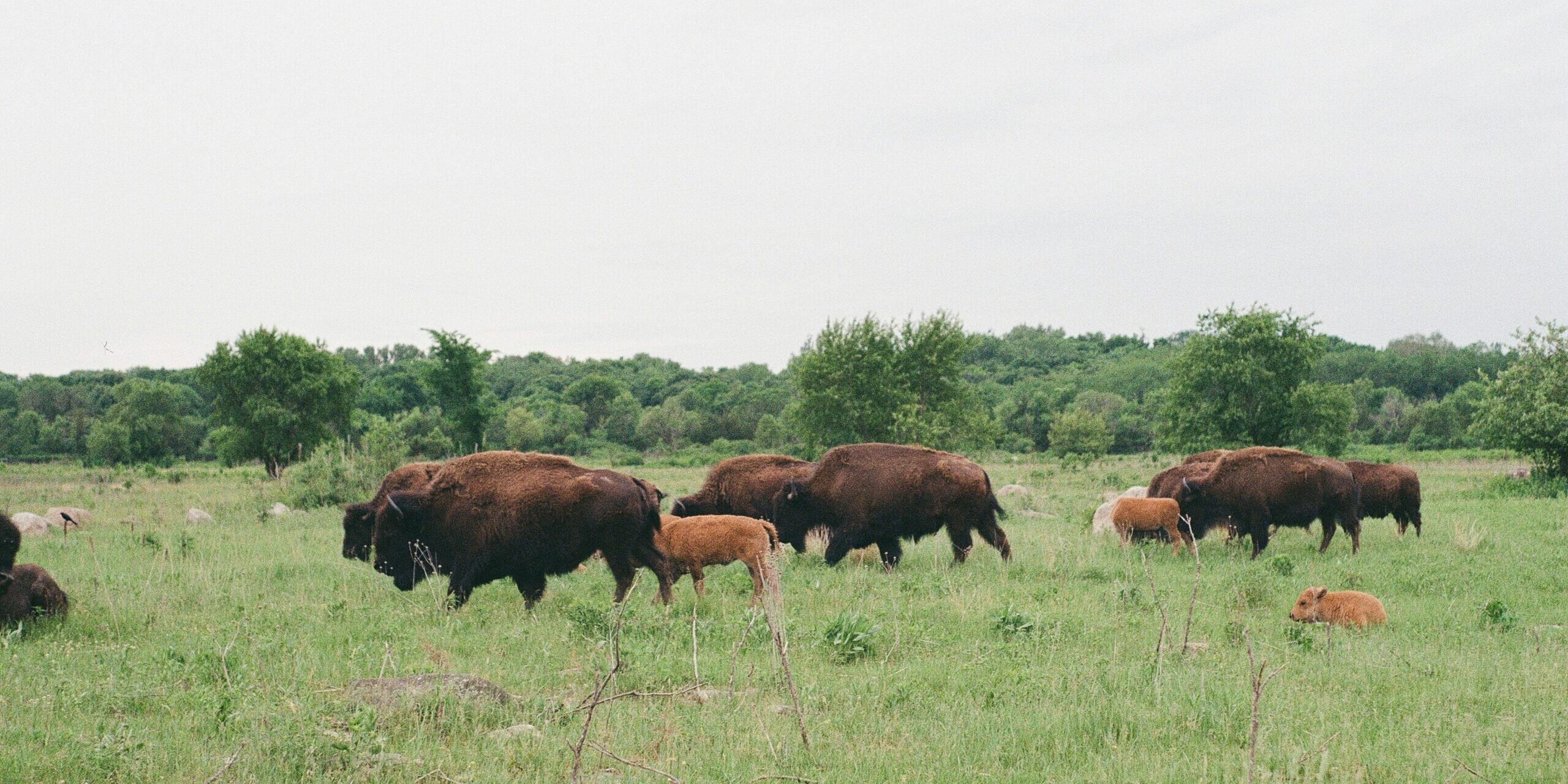
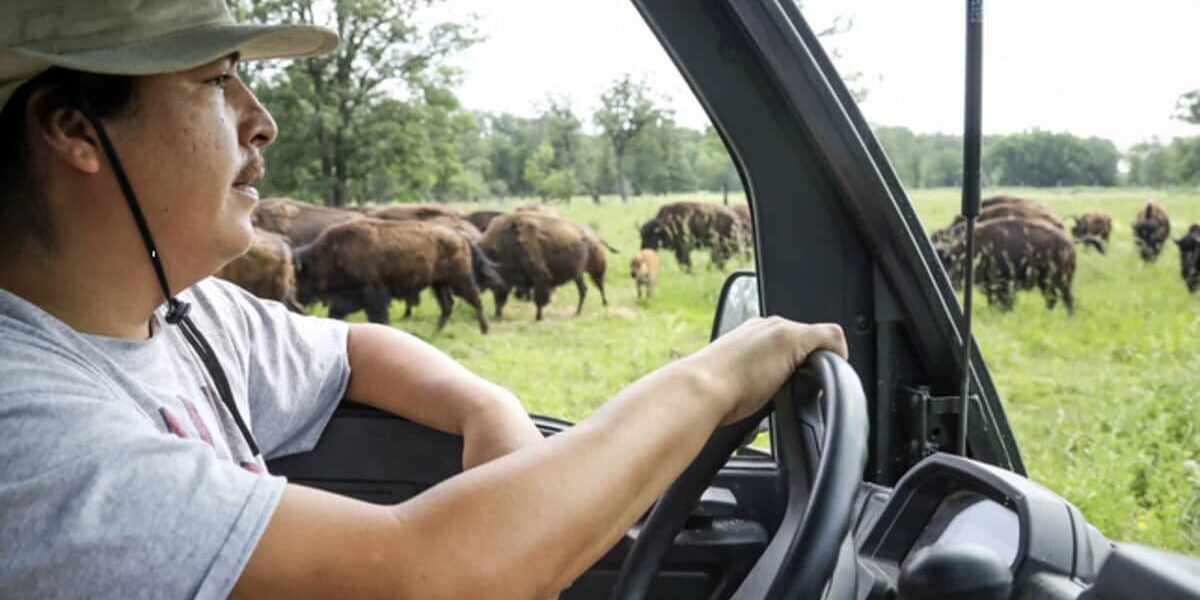
The Red Lake Buffalo Ranch is home to over 30 bison and is operated by the Red Lake Nation’s Department of Agriculture⁶. Small but mighty, the ranch is part of an effort to establish food sovereignty for the Red Lake Reservation by providing residents with locally raised meat. Food sovereignty is defined as a peoples’ right to control their own food systems, which includes cultivating, harvesting, producing, and distributing food⁷. In following Ojibwe traditions, all parts of the animal are used in order to show respect for the buffalo. The hides are used to make clothing and other materials, and the hooves and horns can be made into tools or glue.
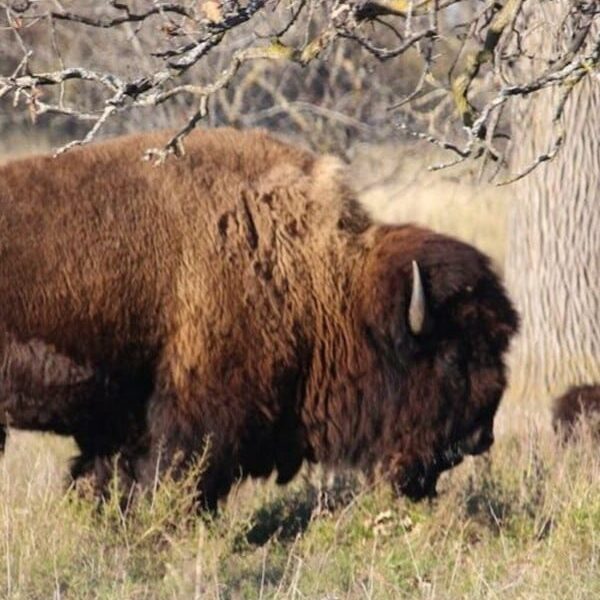
The bison herd started with just seven individuals: 1 bull (named Jumbo), 5 cows, and 1 calf (named Renegade). Since then, 15 yearlings have been added to the herd and many calves have been born! Learn more from the Red Lake Economic Development Team in this video about the bison herd and their importance in establishing food sovereignty.
In addition to the buffalo ranch, the Red Lake Department of Agriculture also oversees the Red Lake Hemp Farm and Gitigaan Acres – a farm and orchard growing produce for the community. The farms also provide teaching opportunities for people to learn how to grow food from seed, preserve foods through canning, and more! Read more about the ranch and the farms on the Red Lake Nation News website here.
Our AgMag 4 Fall 2023 edition features the Red Lake Buffalo Ranch in the article “Farming Across Minnesota.” Explore the AgMag on our website here!
Featured Book
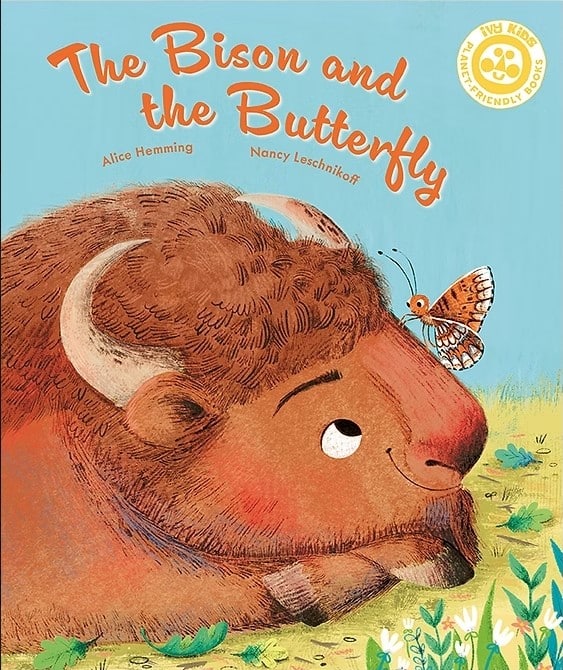
The Bison and the Butterfly: An ecosystem story
Written by Alice Hemming, Illustrated by Nancy Leschnikoff
In this light-hearted book, young readers will relate to how the behavior of animals in an ecosystem helps to support one another. Produced with the Kent Wildlife Trust, the story explains rewilding (a type of ecological restoration that increases biodiversity and restores natural processes). It celebrates that we are all worthy of friendship, no matter who we are.
“A charming and funny story about friends in nature, and the nature of friendship! Bison feels very sad and lonely. She’s big and hairy, and sometimes a bit clumsy. She can’t imagine why anybody would want to be her friend. But wise woodpecker knows that everybody likes different things, and the other animals in the forest may be a lot more grateful than she realizes.⁸”
The author, Alice Hemming, is an accomplished children’s author with over 50 books published worldwide. Find more of her books here: https://www.alicehemming.co.uk/
★ Featured Resources ★
National Geographic Videos
“Saving Bisons”
“Herd again finds a home where the buffalo roam.”
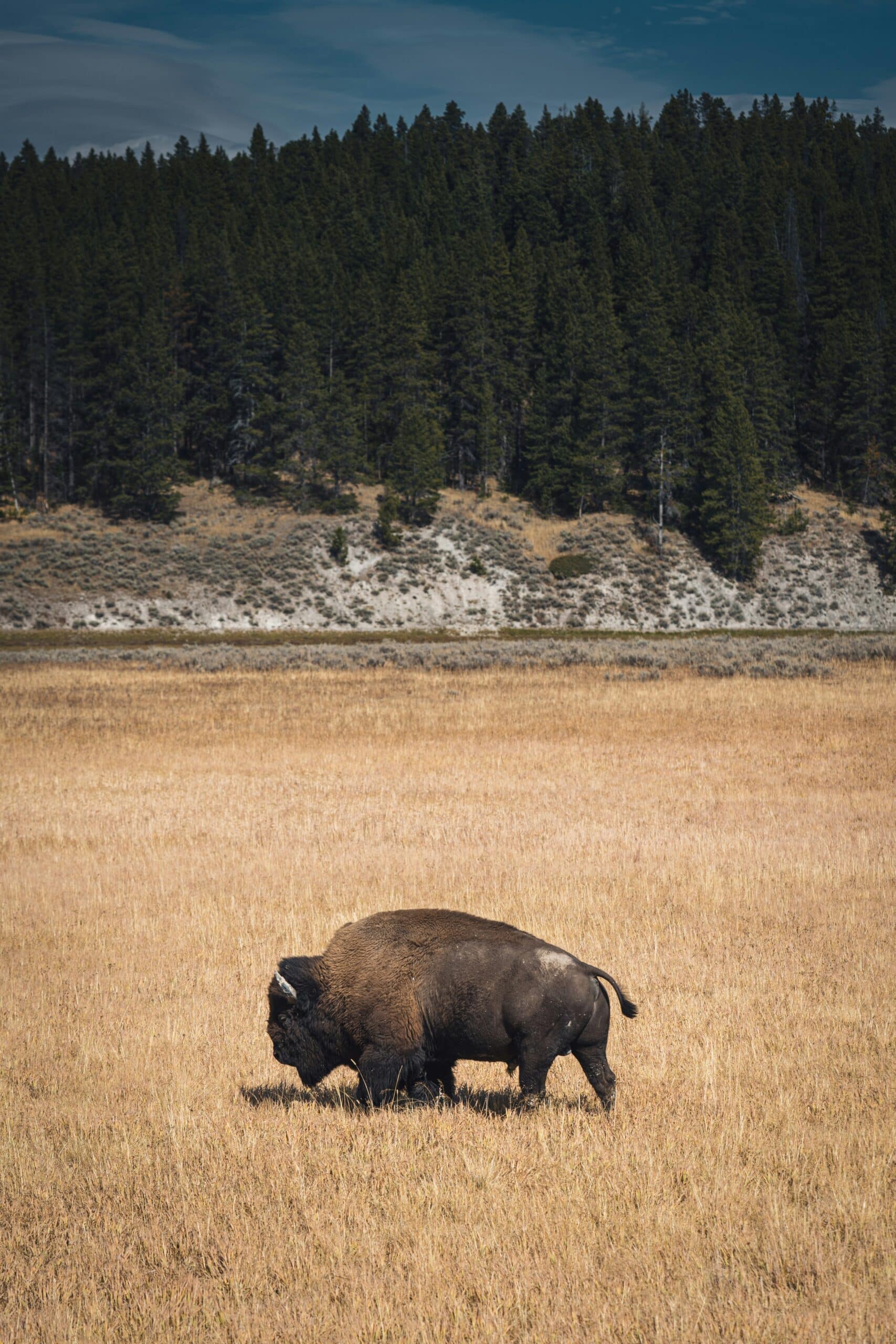
The majority of remaining bison herds have cattle genetics mixed in with their own. There are few purebred bison remaining. In this video, learn how conservationists plan to save these purebreds!
“Last Wild Places: American Prairie Reserve”
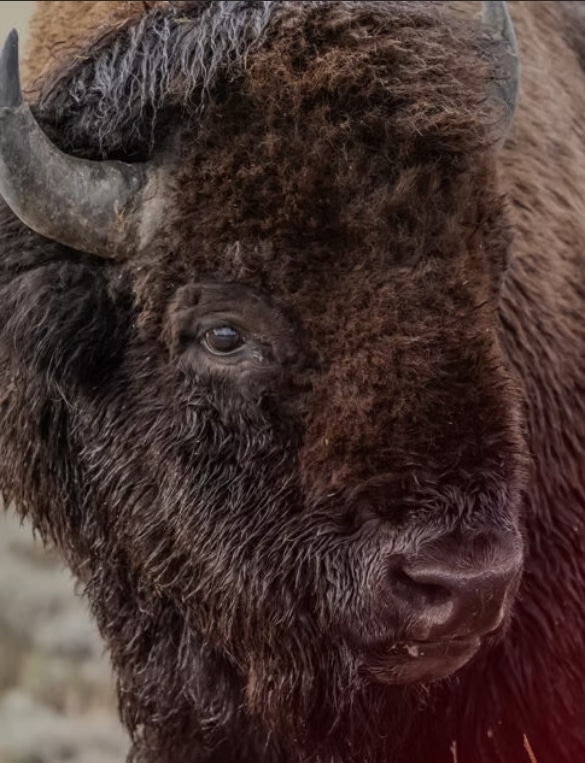
“American Prairie is assembling land in [the] northern part of the U.S. state of Montana, with the goal of creating a seamless 1.3 million hectares (3.5 million acre) grassland habitat. When they reintroduce bison (Bison bison) to the landscape, both the ecosystem and local people benefit.”
Digital Sources
“All About Buffalo” - InterTribal Buffalo Council (ITBC)
The InterTribal Buffalo Council is a collection of 86 Indigenous Tribes that facilitates the management of over 20,000 buffalo. They are “committed to reestablishing buffalo herds on Tribal lands in a manner that promotes cultural enhancement, spiritual revitalization, ecological restoration, and economic development.”⁹
Their webpage “All About Buffalo” provides a summary of a buffalo’s life, behavior, cultural significance, and ecological benefits.
“15 Facts About Bison” - National Park Service
The American bison is a symbol of the United States and many herds live on public lands in National Parks, including Yellowstone and Grand Teton. Explore the National Park Service’s webpage to find some fun facts about this amazing animal!
Find Local Bison
MN Grown Directory
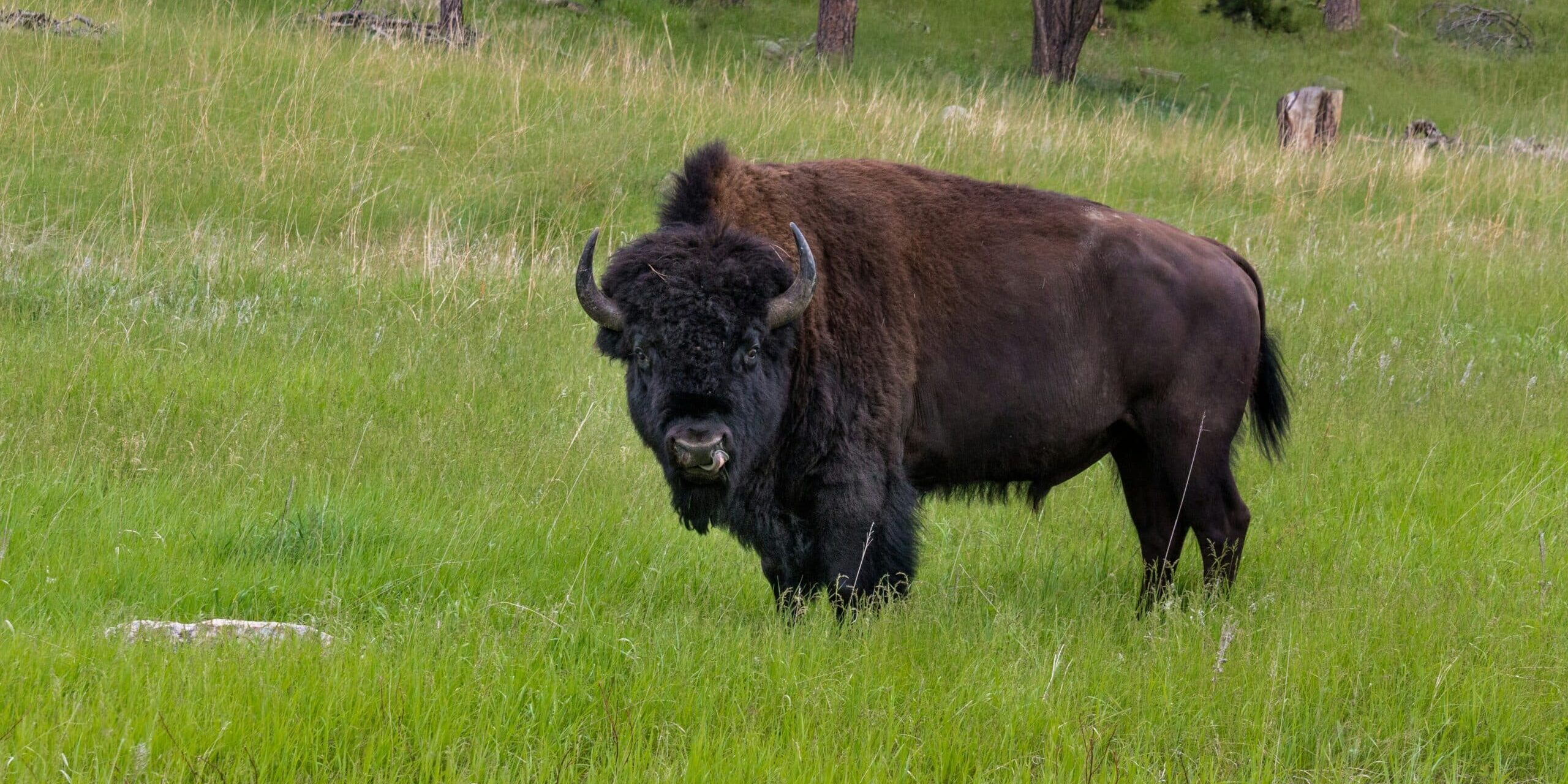
Bison is a great, local agricultural product that is native to Minnesota. Interested in trying bison meat for yourself? Well you’re in luck: Minnesota is home to a dozen bison farms! Check out the Minnesota Grown directory to find a farm close to you!
Minnesota Grown is a statewide partnership between the Minnesota Department of Agriculture and Minnesota agriculture producers. Their digital directory connects Minnesotans to local farmers, markets, and producers.
Growing Minds Conference Featured Tour
Bison Tour at the Shakopee Mdewakanton Sioux Community (SMSC)
Later this July, the Minnesota and Wisconsin Agriculture in the Classroom Programs are hosting the first ever Growing Minds Conference! At this professional development experience, educators will attend immersive agricultural tours, participate in interactive breakout sessions, and network with like-minded educators!
One of the featured agricultural tours is with the Shakopee Mdewakanton Sioux Community! Organized by the Minnesota Humanities Center, this tour invites educators to learn about land stewardship and food systems through two experiences: the Wozupi Gardens and a bison tour led by SMSC Natural Resources. Located in Scott County, Minnesota, the SMSC is a federally recognized sovereign Dakota tribal government. Committed to environmental stewardship, their Natural Resources Department regulates and protects SMSC lands and waterways, and furthers SMSC’s mission to be a leader in environmental sustainability.
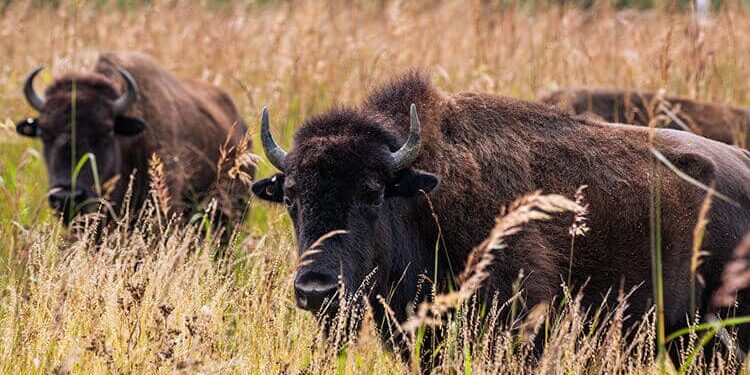
Bison were reintroduced to Dakota land at SMSC in 2023 after extensive planning. Welcomed from Sisseton Wahpeton Oyate in South Dakota, the small herd resides on 165 acres of tribal land. The Dakota people consider the bison to be a relative, and in welcoming them back, SMSC staff anticipate that the prairie will see positive changes. Read more the bison reintroduction here!
Sources
- https://education.nationalgeographic.org/resource/role-keystone-species-ecosystem/
- https://nationalbison.org/july-is-national-bison-month/
- https://www.fws.gov/species/plains-bison-bison-bison-bison
- https://www.itbcbuffalonation.org/all-about-buffalo
- https://www.healthline.com/nutrition/bison-meat-nutrition#nutrition
- https://www.redlakenationnews.com/story/2022/04/11/news/red-lake-buffalo-ranch-gitigaan-acres-and-hemp-farm-update/105291.html
- https://www.ihs.gov/Nutrition/food-sovereignty/
- https://www.goodreads.com/book/show/201626869-the-bison-and-the-butterfly
- https://www.itbcbuffalonation.org/about-us