
The Science Behind an Apple
Apples come in many colors, sizes, flavors, and textures.
These features are called traits. Some apples are sweet and crisp. Others are tart, soft, or juicy. Apple trees pass traits to new apple trees. This is called heredity. A new apple tree gets traits from both parent trees.
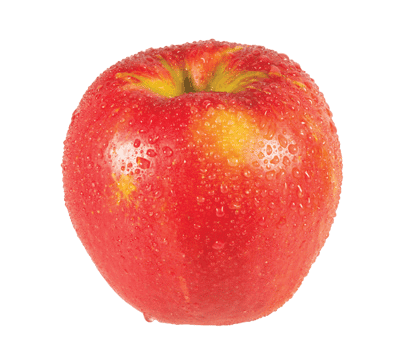
How Is a New Apple Made?
Step 1: Choose Parent Trees
Breeders choose two apple trees with traits they want. One tree may have crisp apples. Another tree may have apples that store well and stay fresh for a long time.
Step 2: Move the Pollen
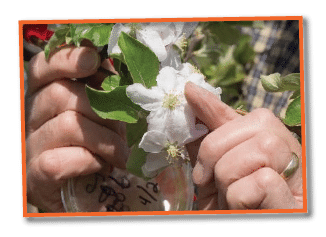
In the spring, breeders move pollen from one parent tree to flowers on another parent tree.
Image: Breeders move pollen to apple blossoms.

Step 3: Cover the Flowers
The flowers are covered with bags. This helps keep pollen from other trees away.
Image: Bags cover the flowers so other pollen does not get mixed in.
Step 4: Grow Seeds into Trees
Apples grow on the tree. In the fall, breeders collect seeds from those apples. Each seed can grow into a new apple tree.
Step 5: Look for Traits
Each new tree is different. Breeders study the apples to look for traits they like. They may look for flavor, color, crispness, size, or how long the apple stays fresh.

Growing More Honeycrisp Trees
Once breeders find a special apple, farmers do not plant its seeds to grow more of the same variety. Instead, they use a method called grafting. In grafting, a small bud or branch from one apple tree is joined to another apple tree. The pieces grow together. Then the new tree can grow apples with the same traits as the original tree.